Virtual Ginsanity: Beefeater 0.0% x Jamiroquai reframes moderation as getting more from life

People drink differently today with moderation and “zebra striping” (alternating between alcoholic and non-alcoholic drinks) increasingly common. For the Beefeater 0.0% x Jamiroquai collab, the alcohol-free choice is reframed as getting more from life with Jay Kay from Jamiroquai as the unexpected face of moderation in a 30th anniversary remake of his iconic Virtual Insanity video. That gave Beefeater 0.0% a distinctive role and turned a functional product benefit into an emotional and culturally relevant idea.
We sat down with Sunni Peterson, Global Senior BrandManager for comms, content anddigital lead for Gin Brands at Pernod Ricard, to get a behind-the-scenes look at the idea, their layered creator and audience strategy and the resulting impact of their Virtual Insanity remake.
How did the collaboration come about? And what made it feel like the right fit for Beefeater?
I think the starting point was this idea that moderation doesn’t mean missing out. And we really loved the thought of getting more out of life – it’s a strategy that sets us apart from our competitors who often talk about the same occasion and taste.
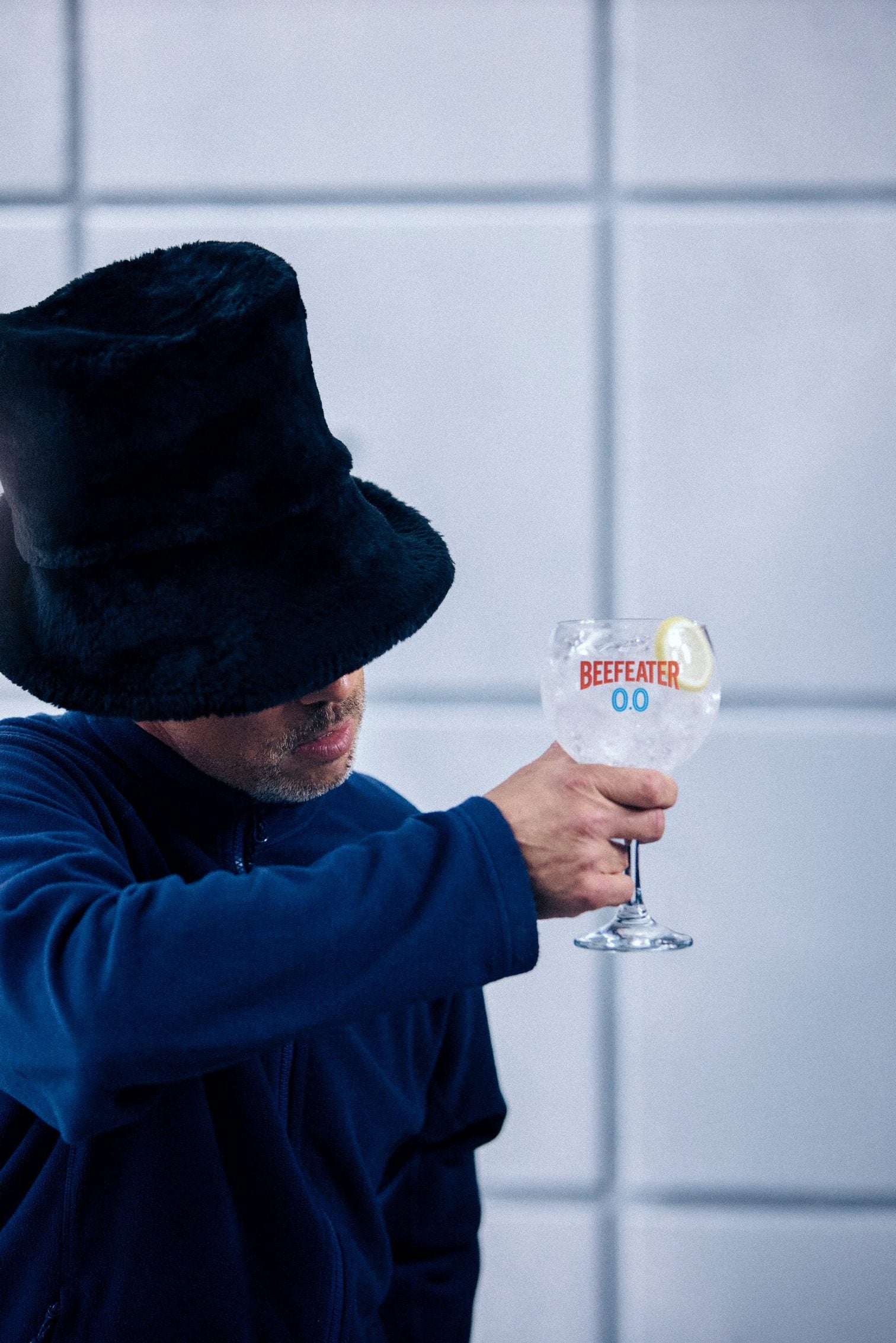
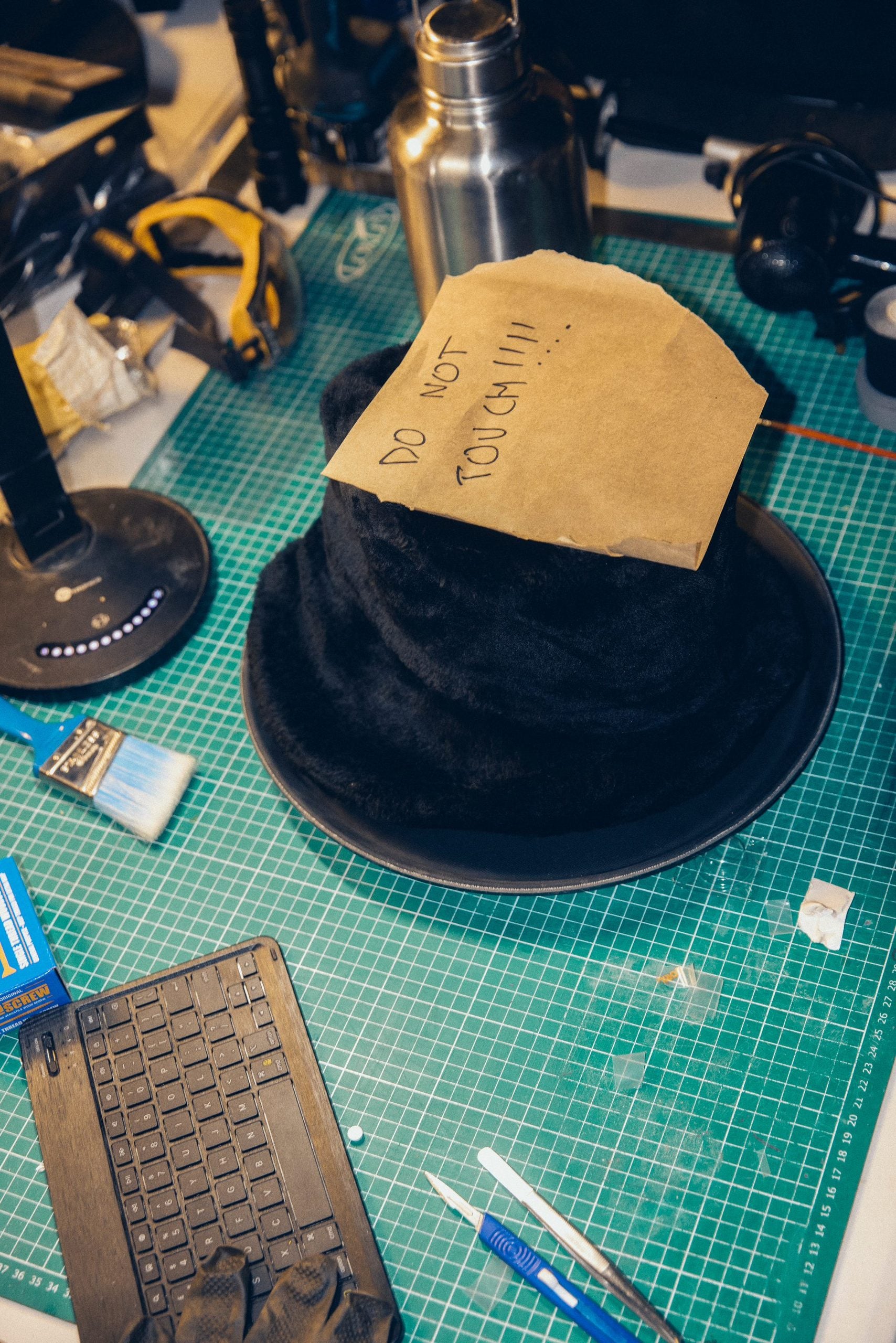
We also wanted to focus on an unexpected face of moderation. Casting a real Londoner, someone that embodied the energy of the city and had our shared love of hats, but who maybe had a little bit of a storied past was not only a great way to stand out, it also felt, unmistakably Beefeater.
When we partnered with Jay Kay from Jamiroquai, Virtual Insanity was the perfect cultural canvas because it’s so iconic and, with the song also celebrating its 30th anniversary, the timing couldn’t have been more perfect. The original music video is about being trapped in this room and we could flip that story … instead of being confined to one room, Beefeater 0.0% helps you break out and get more rooms, more hats, more life.
With Jay Kay as someone who’s now getting more out of life, able to do what he’s doing 30 years on, it felt like the stars aligned in the right way.
Why launch Beefeater 0.0% throughacultural moment like this vs. a more traditional product launch?
We wanted to make 0.0 feel like a cultural proposition, not just a product proposition. Rather than leading with “here’s a new alcohol-free gin,” we wanted to give people a reason to care, talk and participate.
The 30th anniversary of Virtual Insanity gave us an incredible cultural springboard. It had recognition and nostalgia – people were emotionally connected to the song and new audiences to the meme of ‘what was Jay Kay reaching for?’ which is still trending on social to this day. It was the perfect opportunity to show what Beefeater could unlock with one sip of 0.0.
Rather than leading with ‘here’s a new alcohol-free gin,’ we wanted to give people a reason to care, talk and participate.
Virtual Insanity was already resurfacing on social. How did that shape your approach?
There was already a conversation on social media about what Jay Kay was reaching for during his iconic slide towards the camera in arguably one of the most famous music videos of all time. With that, and the idea of being trapped in a room, we felt there was such a clear way for us to tap into that cultural conversation and put the brand at the heart of it.
It was important that we didn’t just borrow from culture, we contributed to it. Beefeater has incredible heritage and the song had nostalgia factor but cultural relevance isn’t about simply celebrating the past. It’s about taking something people already feel connected to and giving it a new reason to matter today.
That’s what we tried to do with the Virtual Insanity remake. We tapped into a shared cultural memory but used it as a springboard for something new.
The campaign was built around Jamiroquai’s own calendar. What did that mean in practice?
Oh, it meant that we had to be incredibly agile. We had a very compressed timeline from securing the partnership and building the creative idea to launch. But we knew that we had this perfect storm of things happening in his timeline: it was the 30th anniversary of the music video, he was launching his first album in over a decade and then going back on tour, which he hadn’t done for many years.
We knew we were being served this cultural moment that we had to make happen on time. There was no other option.
The key, I think, was being clear on what was absolutely locked in and what could be flexible, and then just trying to move quickly.
Cross collaboration was also a crucial factor to success. We had a lot of teams involved – the Creative, Culture and Talent Centre of Excellence, PR, legal, finance, and our agencies. We worked harmoniously as cross functional team to make this happen, never compromising the ambition. It was probably one of the most complex projects in terms of timeline and the number of people involved, but it was also a great opportunity for us to work differently. I think the word agile is sometimes overused in a corporate setting, but it really was this moment for us to practice what we preach.
The key was being really clear on what was absolutely locked in and what could be flexible, and then just trying to move quickly.
What was the key factor in moving so quickly, and getting different teams to work in sync?
Clarity of ambition. We were all extremely clear on building this moment around the 30th anniversary of Virtual Insanity and using Beefeater to help Jay Kay break out of the box. There was clarity of the idea, and then clarity of everyone’s roles to get to where we wanted to go – we were all so aligned on the North Star of our ambition.
Why build the creator plan around a mix of different tiers?
Yeah, we didn’t want to think about creators as just another distribution channel. We really wanted them to be a part of how the idea travels through culture. And we wanted to give the campaign to not just creators but also the audience and see how they could make it their own and remix it, thinking about TikTok content and memes on the Jay Kay slide and how people interact with brands and campaigns. That was something we briefed the agencies on from the onset.
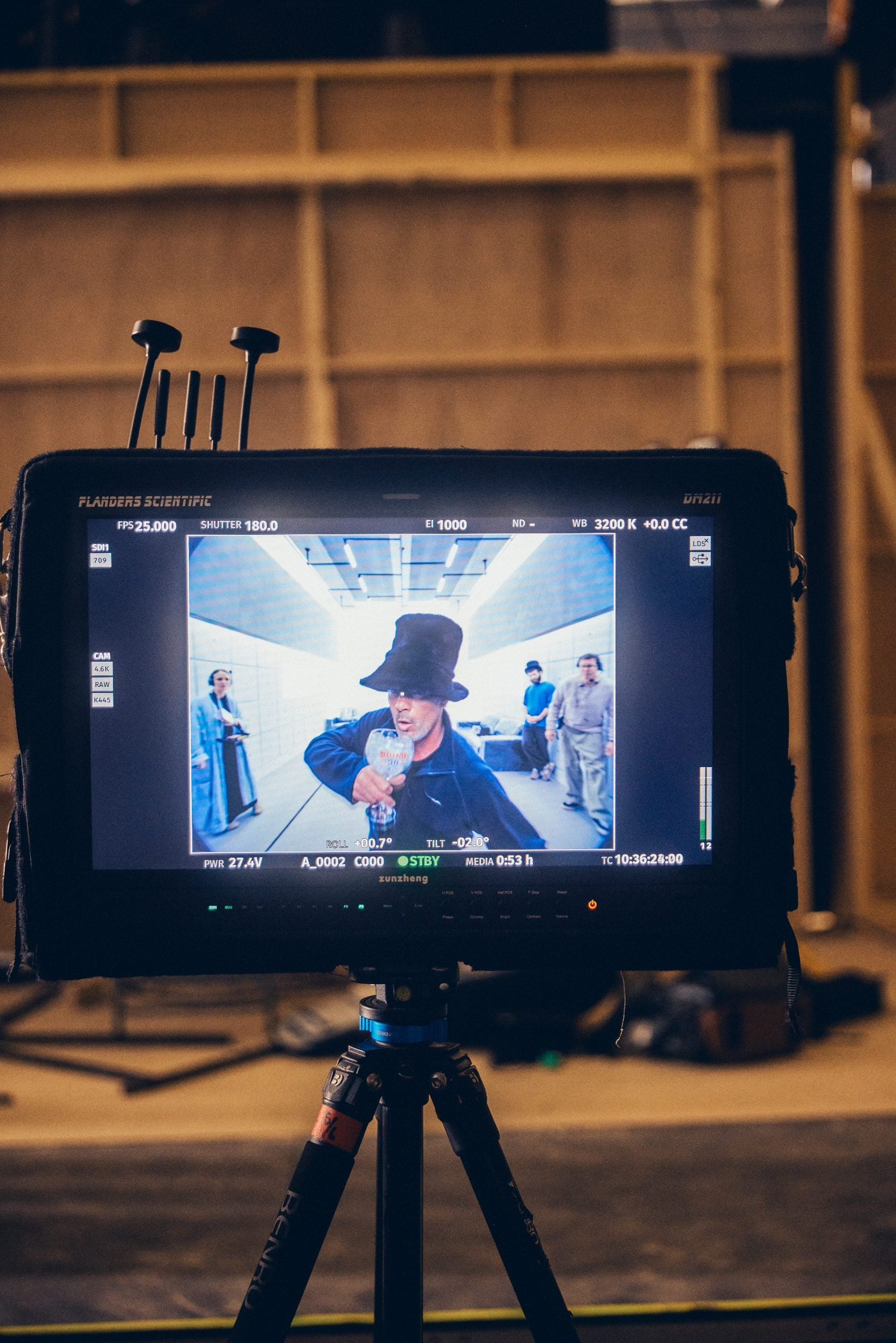
Then I think we aligned on what different tiers of creators could give us. The top tier was able to give us scale and attention, and the mid-tier gave us community engagement. And then there were smaller-scale creators who do a lot of behind-the-scenes content. We could use them to help us drive messaging around how the music video was made.
What has been your proudest moment in the campaign?
You know, it was pretty cool to see we had over a million organic views in less than 24 hours, and 122 million in four weeks. But beyond just the numbers, for me, the proudest moment was how people started making it their own online, and how people started comparing it with the original Virtual Insanity.
They made reaction videos, they analysed the production, they noticed all the care and attention we put into dropping Easter eggs all over the video. We had 30 Easter eggs in the video for the 30th anniversary. And the brand was front and centre of those conversations.
People started building that into their own content. We had our own Wiki page, we showed up in the Google AI Overview. So, it felt like seeing it become part of culture truly was the proudest moment.
And the other side of that is how collaborative the process was, within internal teams and our agencies. It was really a labour of love, but true collaboration cross-functionally, which was really rewarding.

Out of everything that has gone into the campaign, is there a moment that has really stuck with you?
That initial moment of, like, wow, this is going to be big, knowing the traction that it had gotten so quickly. People weren’t necessarily talking about Beefeater before, and to see the emotional connection with the brand was incredible.
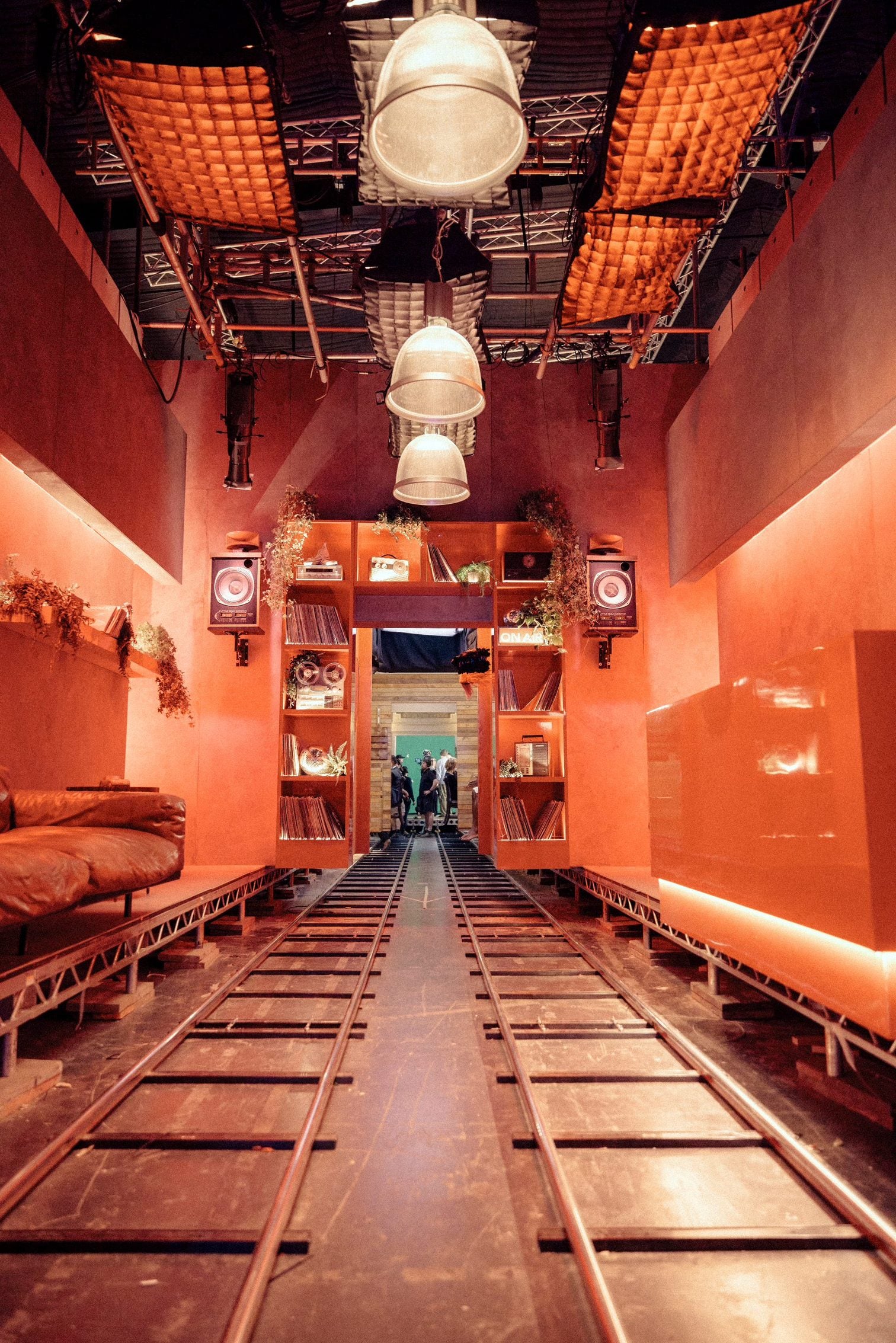
Also, there was a moment when, after so much work to build the idea and sell it in, we walked on to an exact replica of the Virtual Insanity set. And when we saw Jay Kay walk in, it was just this surreal moment. Everyone had goosebumps and knew that it was going to be special.
So yeah, seeing something come to life 30 years on – seeing the idea, the strategy, the creative, the cultural relevance come together – was pretty magical.
People weren’t necessarily talking about Beefeater before, and to see the emotional connection with the brand was incredible.
What would you tell another brand team about to pitch something this ambitious?
Be prepared to be a little scared and trust your instinct! Big ideas don’t always feel comfortable at the beginning. You need to trust your creative partners (shout out Lucky Generals!) to challenge you and take the thinking somewhere we wouldn’t have gone ourselves. Working with Luckies from strategy through to execution meant we built on each other’s expertise and knowledge.One last thing … ‘traditional’ PR is still incredibly powerful, we saw that first-hand with the editorial coverage and global reach the campaign generated. But the definition of earned media is changing at the speed of culture. Today, a lot of that happens on social – that’s where ideas really travel. So, we didn’t just want people to write about the campaign; we wanted to give people something they could participate in.
People started sharing it, remixing it, putting it in memes, comparing our film with the original and creating their own content. So, for a campaign this ambitious, the real measure isn’t just ‘did we earn coverage’, it’s ‘did we earn participation?’
What is the perfect Beefeater 0.0% serve?
It would have to be a classic Beefeater 0.0% with tonic, tons of ice, and a twist of lemon. It’s fresh, uncomplicated, very London and exactly the spirit of this campaign.
Be prepared to be a little scared and trust your instinct! Big ideas don’t always feel comfortable at the beginning.


