The case for rethinking how we define brand advocacy
Advocacy has long been shorthand for bartenders, trade events and brand education.
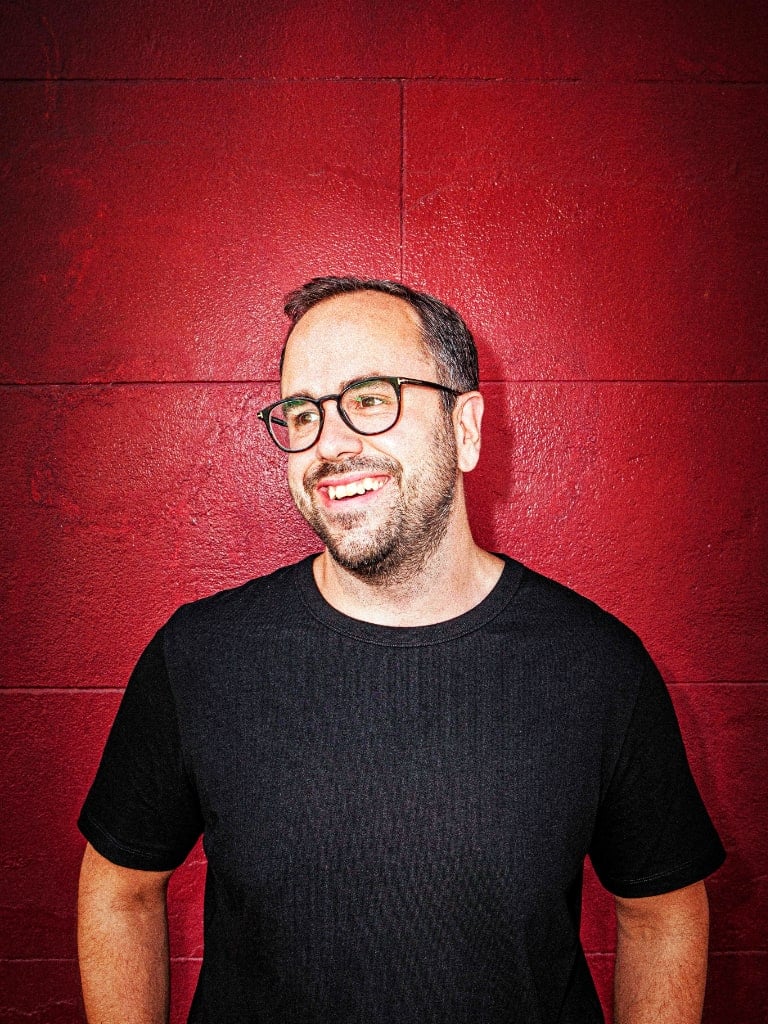
But Claes Ljungberg, Absolut’s Global Senior Brand Manager Advocacy, sees it differently: advocacy isn’t who you target, it’s what happens when a relationship becomes strong enough that someone chooses to champion your brand on their own.
Following Tales of the Cocktail, he talks through what that shift actually looks like in practice.
Why has advocacy always been such a top priority for Absolut?
Absolut has always been a brand built through people and culture. Long before we talked about advocacy in the way we do today, Absolut was working with artists, bartenders, designers, creative communities.
And to me, that is advocacy in its purest form. It wasn’t about asking for something in return. It was about showing up, creating a platform and becoming part of those communities over time.
That matters even more today. Marketing can become very focused on short-term fame: what’s the stunt, what’s the cool idea, what’s going to get attention right now?
But attention and advocacy aren’t the same thing. Advocacy is built over time. It’s about creating enough meaning and relevance that people actually want a relationship with the brand. The question isn’t only, “Did people see it?” It’s, “Why should they care?”
What has this long-term focus on advocacy enabled for Absolut that wouldn’t have been possible otherwise?
Relationships that exist whether we’re activating or not. Advocacy is what happens when there isn’t an audience. What does the bartender say when the brand isn’t in the room? Does a collaborator still talk about you when there isn’t a contract attached? Does someone recommend Absolut when there is no content brief, incentive or camera?
You can’t buy those relationships overnight. They’re created by consistently showing up, investing in people and contributing something of value.
The turtle always wins the race. Consistency is where advocacy shines.
Over years, those relationships almost become an always-on campaign. People create conversations, recommendations, introductions and opportunities because they genuinely have a relationship with the brand.
We see so many brands chase cool stunts and moments in time, but long-lasting brand building needs to be relationship-first. The turtle always wins the race – consistency is where advocacy shines.
How have the brand’s definition and approach to advocacy evolved over the years?
We’re at a real turning point in how we define advocacy for Absolut. The spirits industry has historically tended to use advocacy almost entirely as a trade channel – bartenders, education, guest shifts and industry events – with bartender loyalty as the primary output. That work remains incredibly important, but it’s only one expression of advocacy, not the full definition of it.
In many ways, it’s the only category that has this narrow view. Other industries build the same kind of relationships through culture, experiences and communities; they just call it experiential marketing.
We’re now shifting more towards brand fandom and thinking about how advocacy can be part of everything we do – in the way we make people feel about the brand.
We’re applying what we’ve learned from decades of building meaningful relationships with trade across a much broader ecosystem.
Today I think more about advocacy as what happens when someone’s relationship with our brand becomes strong enough that they voluntarily choose to share, recommend or champion it within their community. That could be a bartender, but it could equally be an artist, chef, designer, creator, employee or consumer.
We’re not moving away from trade. We’re applying what we’ve learned from decades of building meaningful relationships with trade across a much broader ecosystem – where advocacy becomes much more powerful than engaging each audience independently.
What have been some of your proudest or favourite Absolut advocacy moments?
Realising you’ve made a lasting impression and created something people genuinely want to be part of. We operate in a sea of sameness, particularly in spirits, so there’s something incredibly rewarding about meeting someone who has looked beyond the bottle or the campaign and really understands what Absolut is.
Ultimately, we’re custodians of something much bigger than the work we do in advocacy. We’re not manufacturing meaning around an empty product – we have our own farmers growing our wheat, hundreds of years of production and tradition behind the liquid. There’s something real underneath it all, and our job is to find imaginative ways of helping people see it.
Why has Tales of the Cocktail been such an important moment for Absolut’s advocacy work?
Advocacy is fundamentally about relationships. We can create incredible digital reach, but there’s still something irreplaceable about people eating together, drinking together, exchanging ideas and meeting someone they wouldn’t otherwise have met.
Tales of the Cocktail is one of few global trade events built around these relationships and community in a genuinely organic way. Even the reason it happens in New Orleans in July – the hottest and most humid time of the year – comes from the local hospitality community who were struggling during that season when tourism was low.
So, for us, the opportunity isn’t simply visibility or having the biggest party.
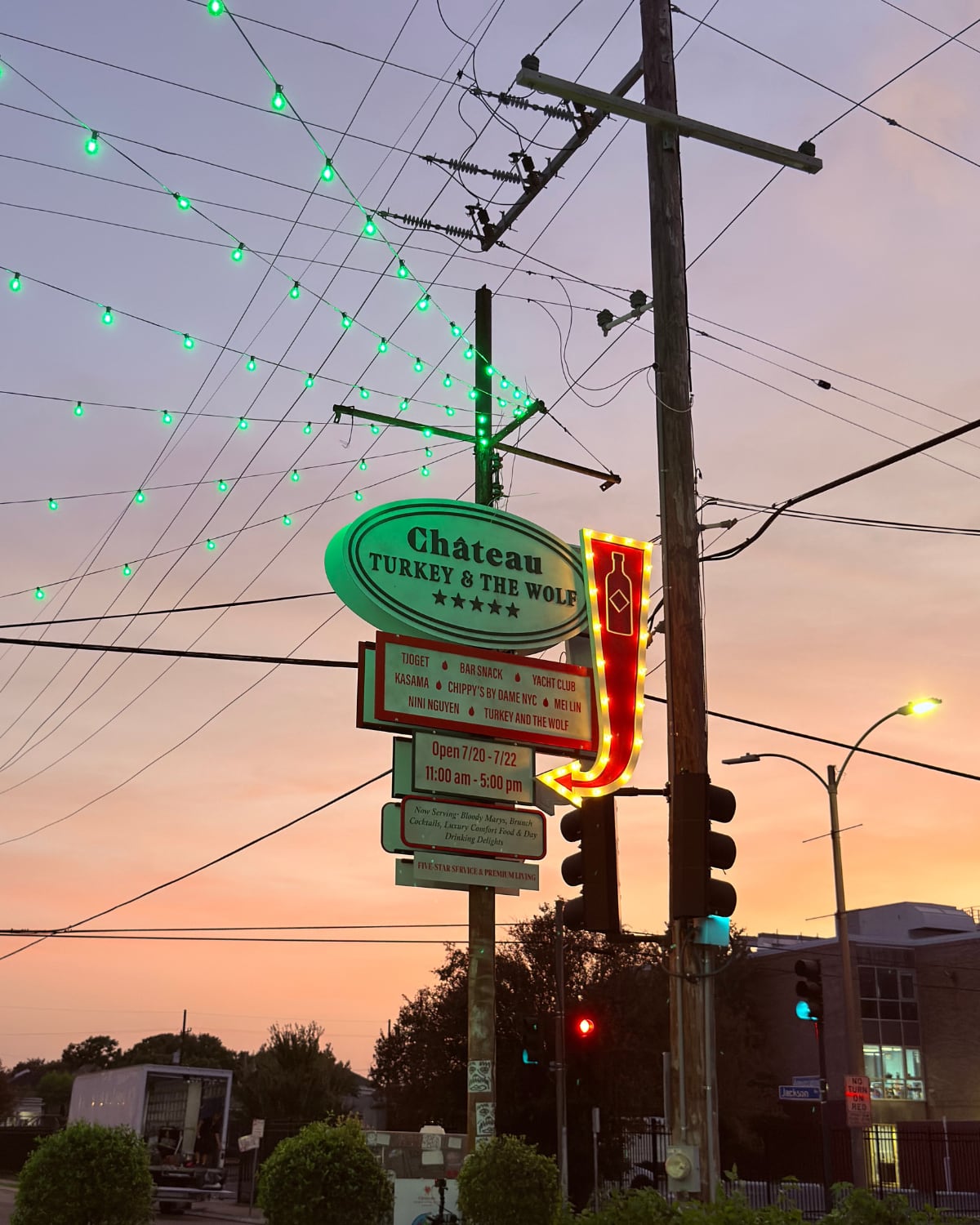
That’s why we’ve increasingly approached it as a platform rather than simply an event. The original objective for this year’s activation was explicitly a community co-created, multi-day experience built around liquid on lips, versatility and community-powered brand advocacy.
It’s asking: what can Absolut meaningfully contribute to this community while everyone is together?
What went into building this year’s activation, and what makes it distinctly Absolut?
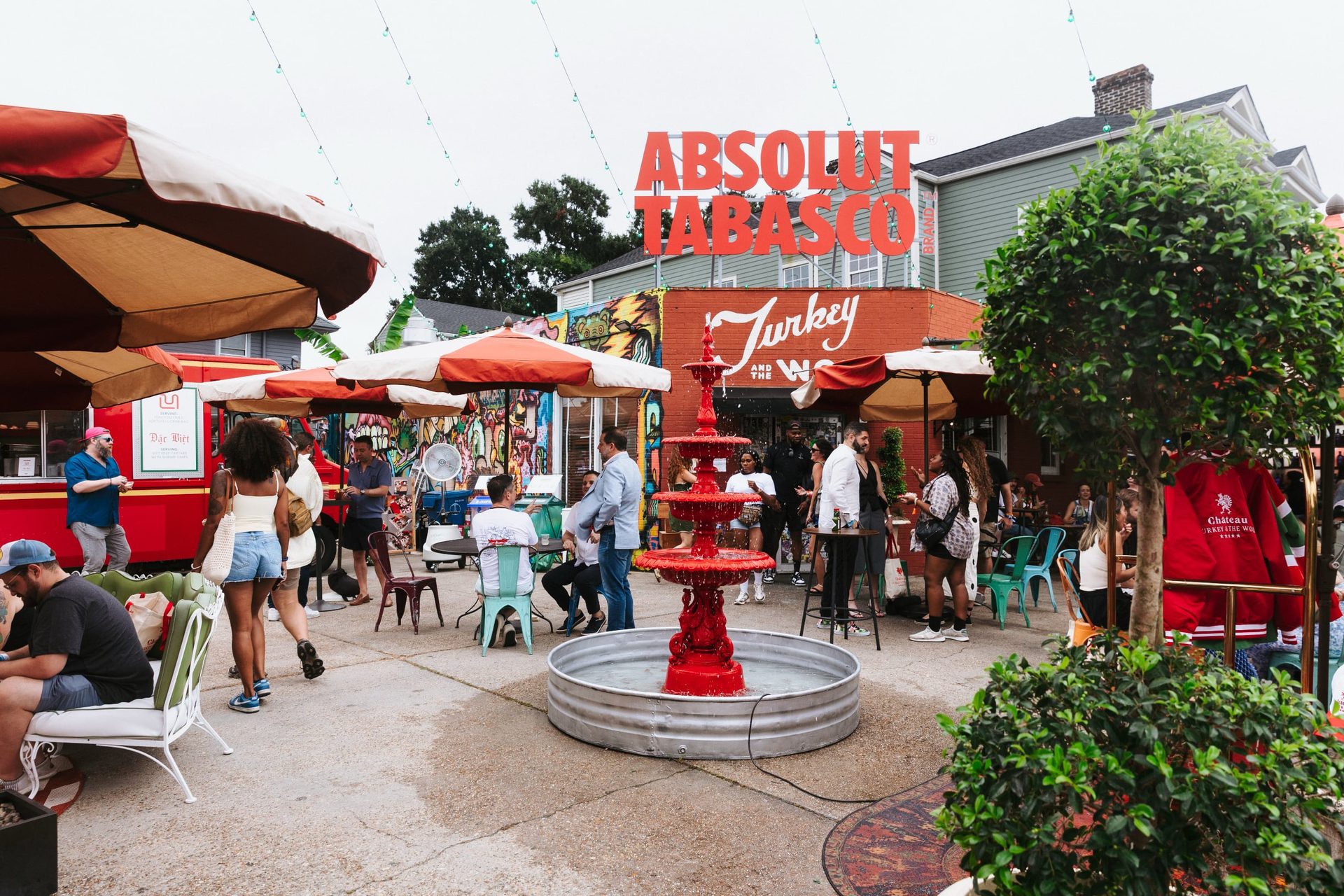
From the beginning, we didn’t want to create another branded party. We wanted to build a world people genuinely wanted to spend time in.
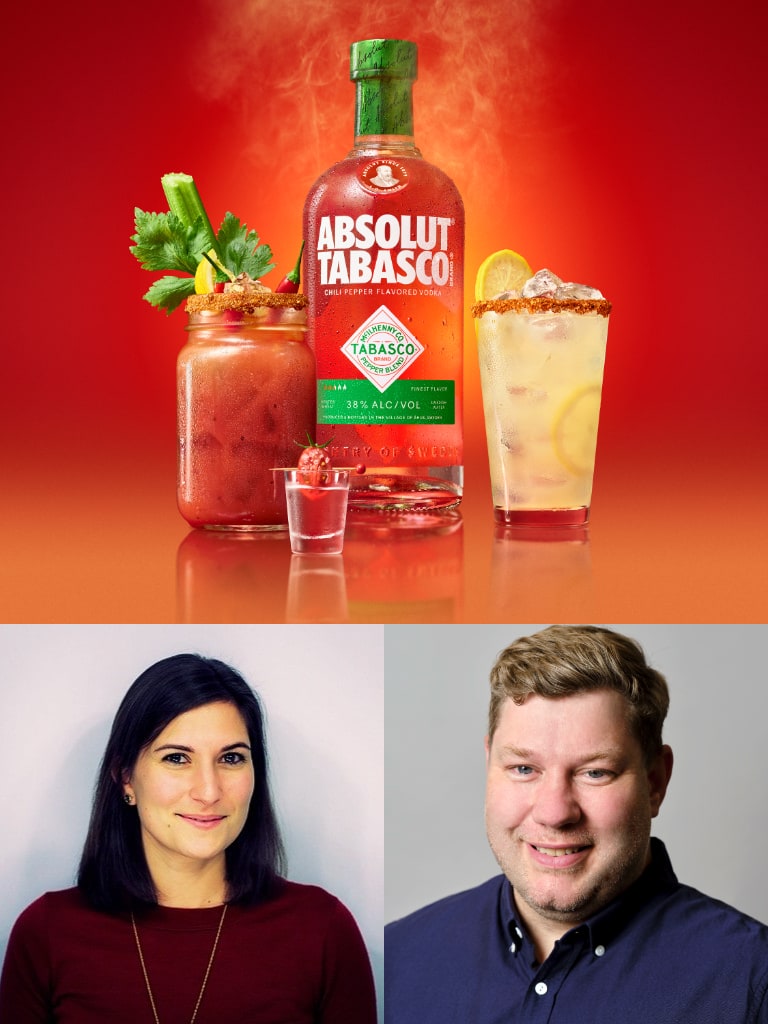
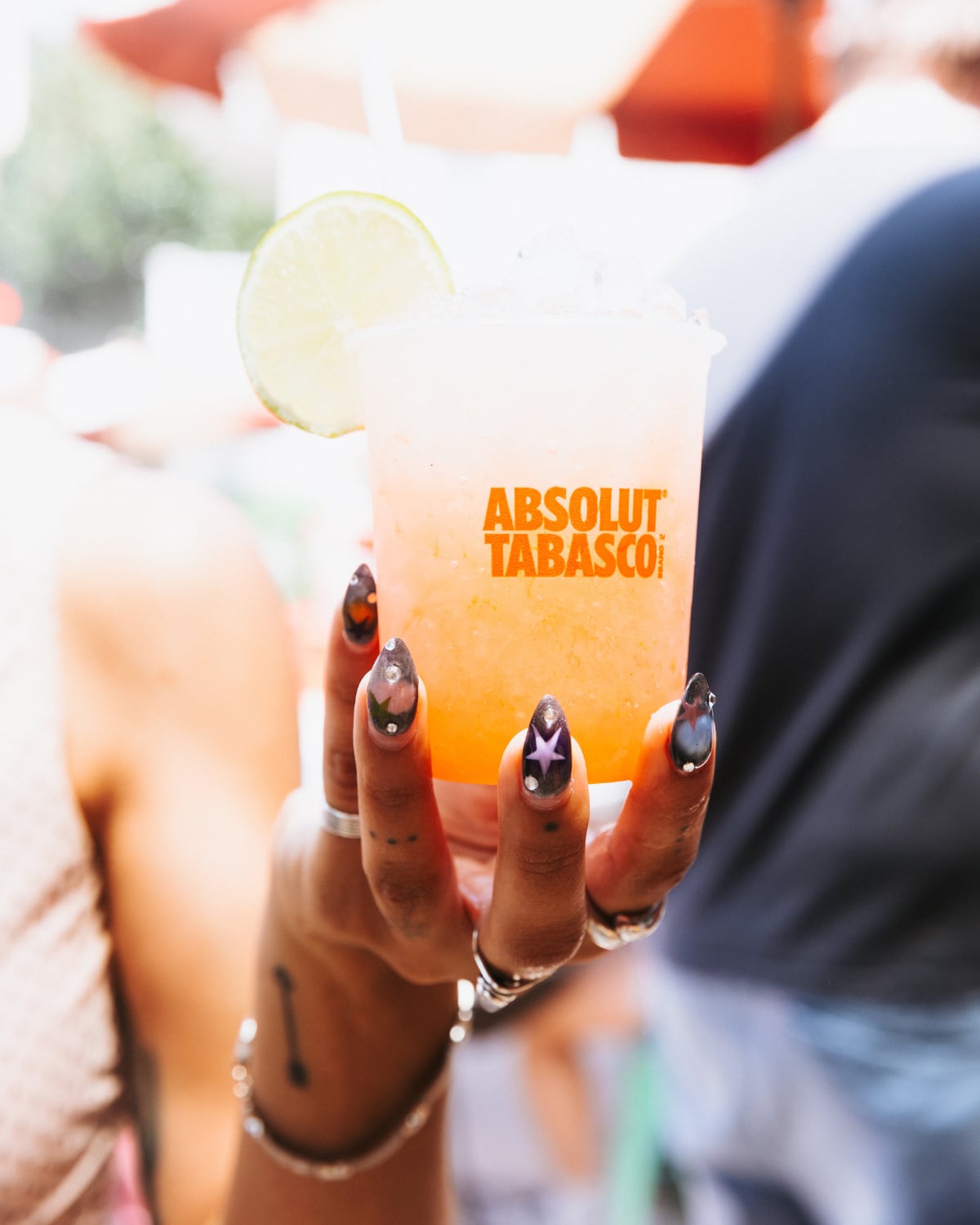
At the same time, there was a clear business objective underneath the creativity. We launched Absolut Tabasco in February. The Tabasco brand and its owners come from New Orleans, and it’s made just hours outside the city – so bringing it to Tales was a no-brainer.
That became Château Turkey and the Wolf. We brought together incredible talent including Tjoget, Yacht Club, Bar Snack, Kasama, Chippy’s, Nini Nguyen and Mei Lin, with Turkey and the Wolf at the heart of the Château. The original concept deliberately focused on accessibility, fun and community rather than exclusivity.
That’s what makes it distinctly Absolut to me – imaginative and unexpected, but not for the sake of it. The creativity has a job to do.
This year, Absolut stepped back to let the community take centre stage. What makes this the right approach today?
We’re not stepping back. We’re changing the role the brand plays to create more meaning. There’s a tendency with events to put the brand at the centre and then bring in talent to validate it. We wanted to reverse that.
The bartenders, chefs, restaurants and artists are the people creating the culture. They’re why people want to come. So, we put them front and centre with Absolut creating the platform that allows them to do something exceptional together.
The brand doesn’t become weaker by giving other people the spotlight.
What a brand chooses to enable says far more about its identity than splashing its name all over an event. And I think that’s particularly important today because people are incredibly good at recognising when a brand is simply borrowing culture for attention.
If we say we’re committed to hospitality and creativity, that can’t just be copy on a wall. You have to see it in what we actually do.
Last year, old merch was upcycled by local artists. This year it evolved into Merch for Good. What’s the story behind that evolution?
Last year began with circularity – asking local artists to give old merch a second life by turning them into something people actually wanted.
This year we wanted to take that thinking further.
When you arrive in a city like New Orleans and bring thousands of people together, you’re benefiting from that city’s culture, creativity, hospitality and energy. So, we wanted to ask a very simple question: what are we leaving behind?
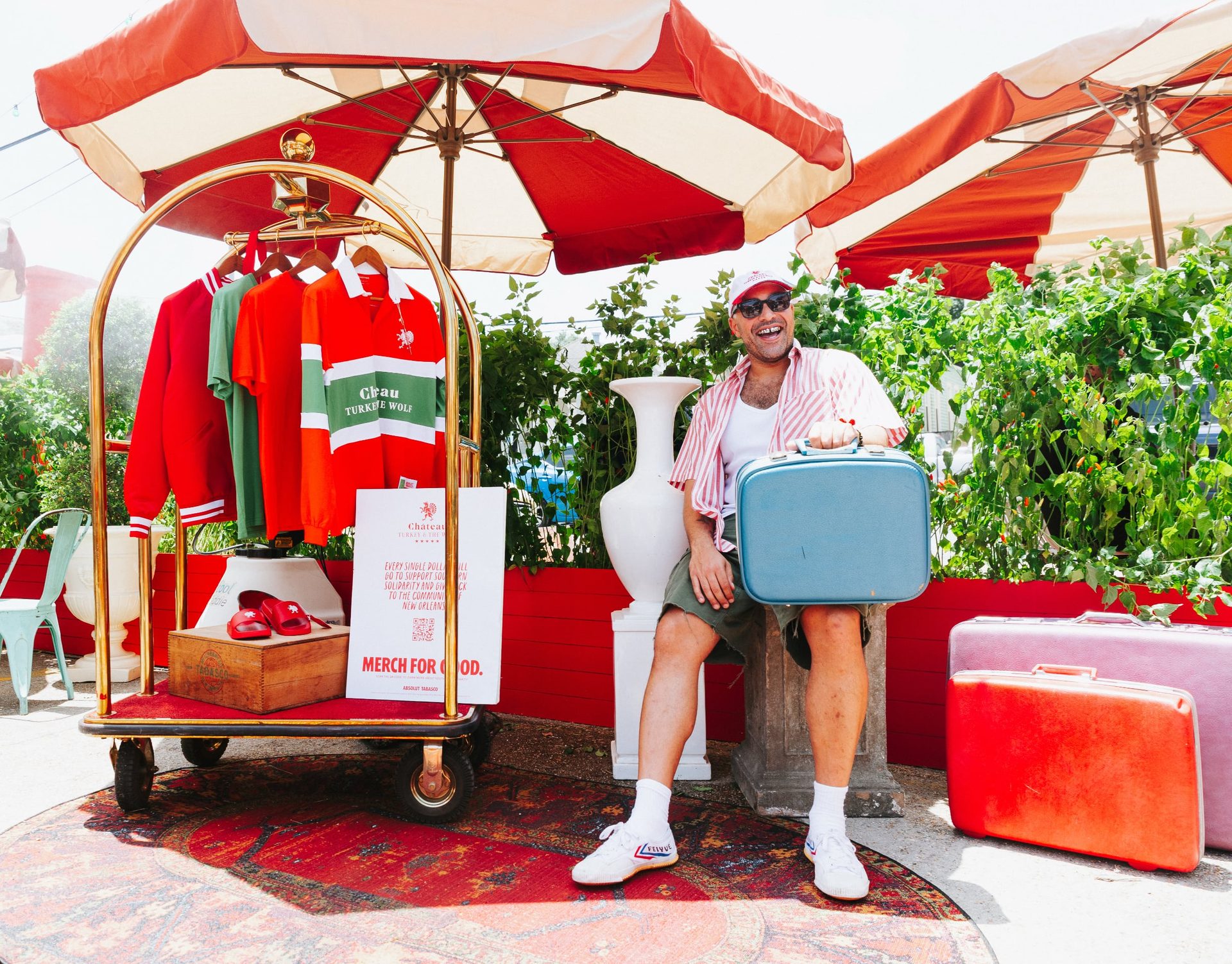
Merch for Good turned merchandise into something collectible that could also generate value for the local community. We created a fashion collection with a very specific look and feel, inspired by 80s and 90s hospitality merch. All proceeds went to Southern Solidarity to support unhoused people with food, medical aid and housing.
For me, the principle is bigger than the merchandise itself: we don’t just activate in communities. We invest in them. That’s also what I mean when I talk about meaningful brands. It’s very easy to say you care about community to get an idea through. But we’re demonstrating it through action.
What has been the biggest influence on how you think about advocacy?
I spent 25 years in hospitality before coming into marketing, and I’d say that community has shaped my thinking more than any single person could.
I always go back to the restaurants that make you feel a certain way – comfort, being seen, being known as a person. When you bring your friends there, it’s almost like you’re part of a club you want to introduce other people to. That’s what hospitality does really well: it takes care of people, it starts with meaning, real purpose and generosity, and I think great marketing does too.
Give people something valuable and meaningful first. Brand fandom follows.
What’s one belief about brand advocacy you held a few years ago that you’d now push back on?
Advocacy isn’t an audience or a channel. It’s an outcome. It’s what happens when the relationship you’ve created becomes strong enough that someone chooses to champion you without being asked.
I’ve also changed my mind about the relationship between attention and impact. You can create a brilliant stunt and have millions of people see it. But if there’s no reason for anyone to care about the brand the next day, what have you actually built?
I used to focus on creating immediate impact; now I think more about the long-term foundational impact, trying to connect all the pieces so they work together across the full ecosystem.
Fame is still incredibly important – it can make people notice you. But advocacy and real meaning give them a reason to stay. And we need both.
What’s your advice to other brands looking to build real advocacy?
I like to think about advocacy along the lines of friendship. We all have those friends who jump in and out of our lives – often when there’s a reason for them to be there – but then disappear. Then we have the friends who consistently show up, no matter what. Those are the relationships where trust builds.
Brands can’t expect communities to behave differently. You can’t arrive when you have a product to launch, ask a community to care about you and then disappear until you need them again.
Real advocacy requires consistency: show up, invest in people, create opportunities, connect people who might otherwise never meet, give your partners real agency. That’s how you become one of the brands everyone talks about. You can’t manufacture that on demand.
Advocacy might not have an immediate commercial return – but it almost always has a long-term one.
Ultimately, in a world with endless choice and incredibly short attention spans, being known isn’t enough. You need people who care whether you exist.
And I genuinely think brands that don’t invest in that kind of advocacy will struggle over time.
You don’t build it through one stunt, one campaign or one event. You build it by consistently giving people a reason to care.