Ready-to-drink is much more than a ready-made success
The ready-to-drink market is bucking the trend across the spirits industry, continuing to grow.

We caught up with Fredrik Syrén, Global Managing Director RTD & Convenience, whose entrepreneurial background has been instrumental in building Pernod Ricard’s RTD unit from scratch to the pivotal division it is today. Over the past five years, the unit has quadrupled in size and is now a vital cog in Pernod Ricard’s wheel.
Why did Pernod Ricard launch into the RTD sector?
In 2021, I led a task force that built a global recommendation with a clear ambition, strategy and the capabilities required to succeed. Go back a few years, and there were a lot of myths about RTDs. Some said they weren’t good for brand image or weren’t profitable. But the category has changed a lot in recent years. In fact, RTDs help brands be perceived as more modern and trendier, and as such, they appeal to younger consumers. RTDs don’t dilute margins; they add to incremental profits by leveraging our existing brands. They also let us reach new occasions, like the beach or a picnic, where bringing a 750ml glass bottle isn’t as practical. What our dedicated RTD business unit has proven is that RTDs are here to stay. The category has been a key strategic priority for the group for a while now. If you want to grow in the spirits business, you have to be in RTDs as well!
…the category has changed a lot in recent years. In fact, RTDs help brands be perceived as more modern and trendier, and as such, they appeal to younger consumers.
Which of Pernod Ricard’s brands work best for RTDs?
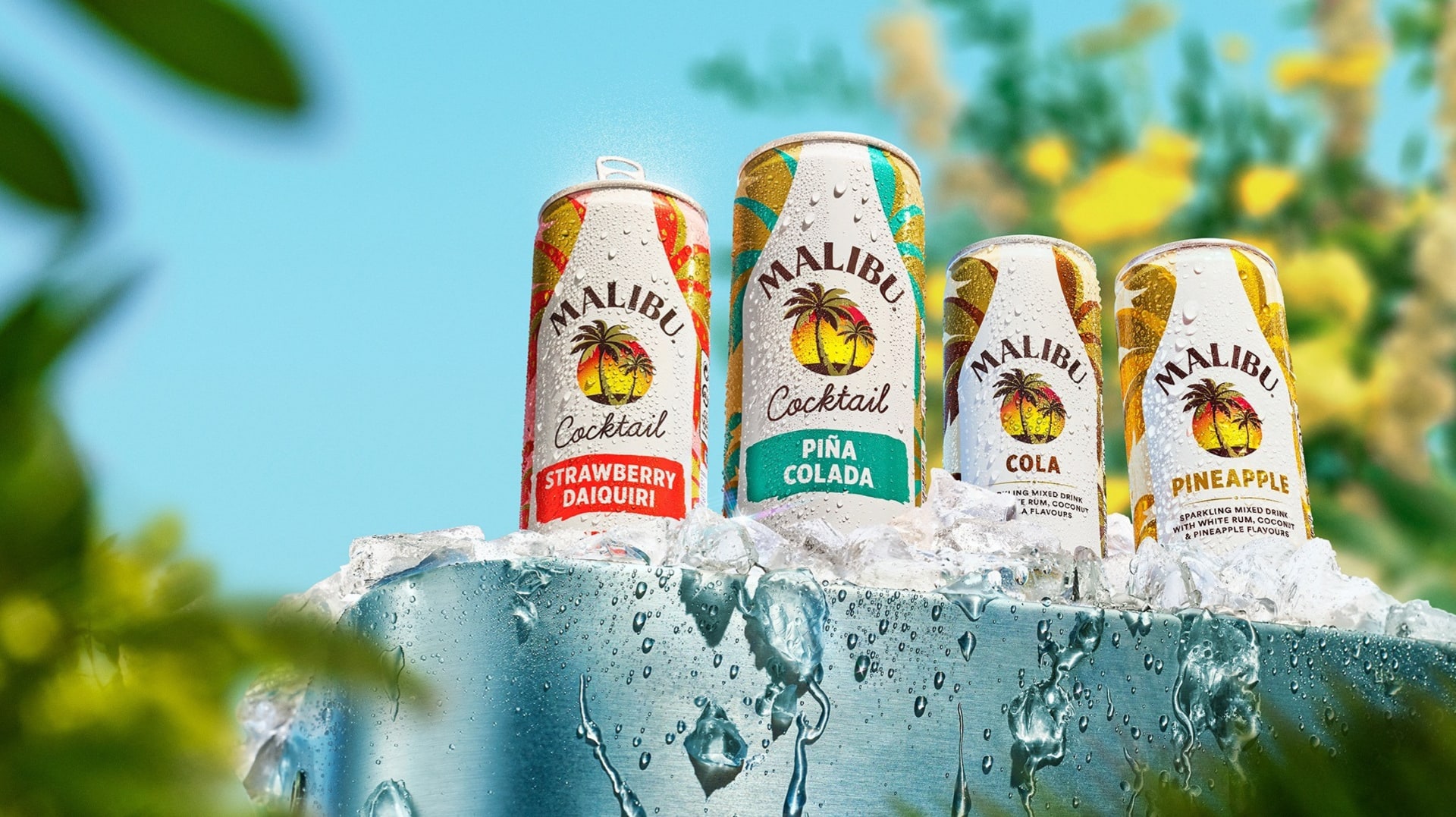
Our proposal included a portfolio strategy that highlighted which brands would do best in this space. We focused on our global brands, using their strong reputations. Absolut Vodka, Malibu, Jameson and Havana Club were clear choices to start with. We wanted to offer drinks people already enjoy, in a more convenient way, and avoid anything that doesn’t fit the brand. Each of our brands meets different consumer needs. So, Absolut is great for cocktails and some long drinks. On the other hand, Malibu is a younger, fun and vibrant brand that fits many occasions, like pina coladas or daiquiris. Jameson, meanwhile, works well in long drinks, like mixed with ginger ale and lime or with cola. The one thing we’ve always done is stay true to each brand’s drink strategy.
What are your target markets for RTDs?
We started by focusing on five key markets that account for 80% of the category: the US, Canada, Australia, the UK, and Germany. The US is vital, accounting for half of the global RTD business. We are now expanding into other large, fast-growing markets like China, India, Mexico, Korea, and Chile – and we recently launched in South Africa. In Europe, the UK and Germany are our top priority markets, for which we offer bespoke innovation, but we are also present in many other EU markets, leveraging products we have developed for the UK and Germany.
Do you have to create specific RTDs for certain markets?
Everything we do for the US is tailored to that market because of its size. In the RTD category, there are many local regulations; for example, some ingredients might be allowed in one market but not in another. The ABV (alcohol by volume) level can also vary widely due to local regulations, and in some markets, consumer demand is increasing for higher-ABV products. For some consumers, taste is the most important attribute, while others look for low-calorie options, which usually mean a lower ABV and replacing sugar with sweeteners. Packaging differs too – some markets prefer glass, while others use cans. Weather conditions can play a significant factor in the choice of packaging. In markets like South Africa and India, we need to consider warm temperatures and strong sunlight, as they can affect the best-before date and the colour of the liquid.
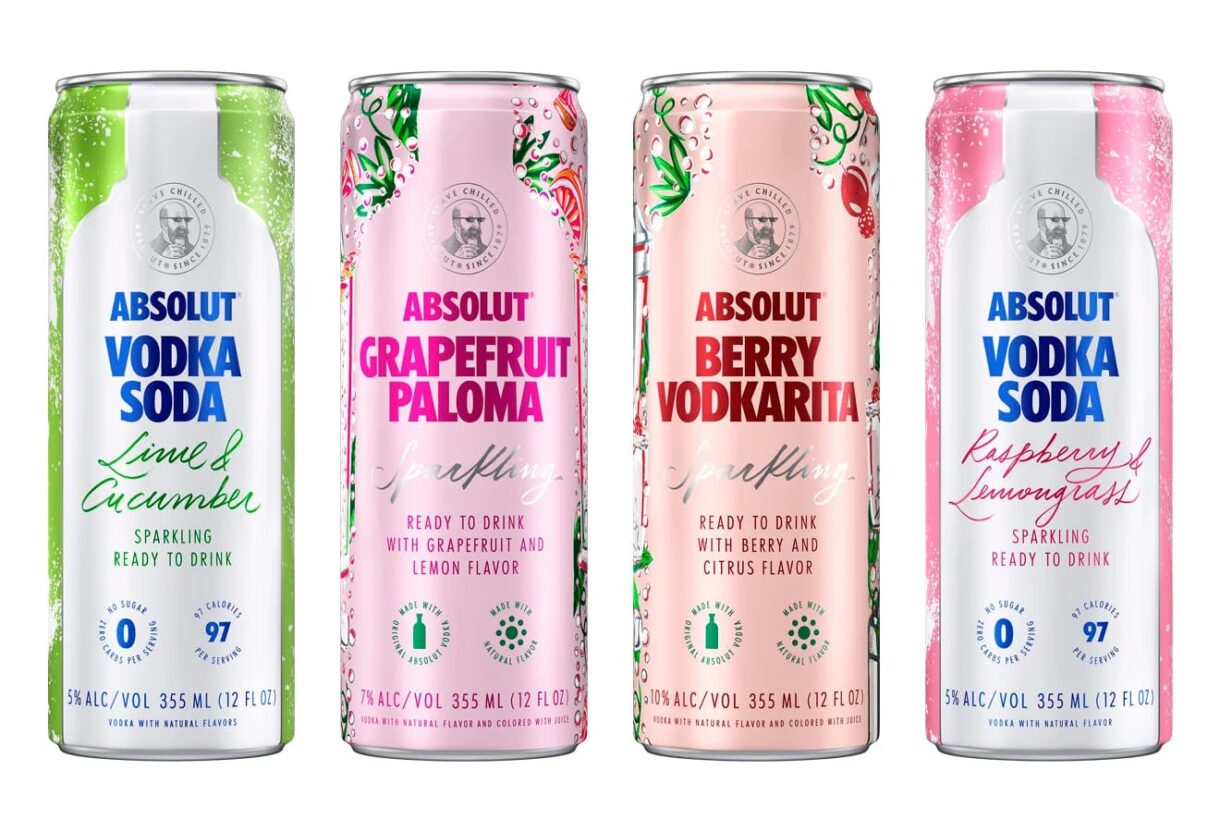
Our product designs put the brand front and centre. We use the distinctive assets of our brands, whether it’s the logo or, in the case of Absolut, its bottle.
Is your target market just Gen-Z?
It’s safe to say that our core target market is from 21 (the legal drinking age) to 35. But we also know that, especially in mature markets, you have an older consumer base. Australia is among the highest on a per capita basis, and its consumers have been drinking RTD for many years – and they continue buying their ‘slabs’ regularly. What is attractive to our brands is that 70-75% of people who buy an RTD have not purchased the brand before. This is the proof point that RTDs are incremental and the gateway into a brand. Consumers can try an RTD at a lower price to see if they like it. For those people who buy our RTDs, around 10% will buy the spirit within a year.
How do you ensure your RTD stand out in such a competitive market?
Our research shows that the first thing a shopper thinks about when deciding what to buy is the brand, followed by the flavour, and then the type of spirit. This is why the brand, as a navigator and on the shelf, is crucial to us. Our product designs put the brand front and centre. We use the distinctive assets of our brands, whether it’s the logo or, in the case of Absolut, its bottle. You have to be quite bold in your design to stand out on the shelf. In the US, RTD shelves are sometimes huge, so we do extensive testing to ensure we stand out. But it’s not only the shelves that matter. You also have to be on the floor – at checkouts, in the entrance or at the counters – to interrupt shoppers as they walk around a store, as they may not go to the RTD shelf each time they shop.
How crucial are brand collaborations for success in RTDs?
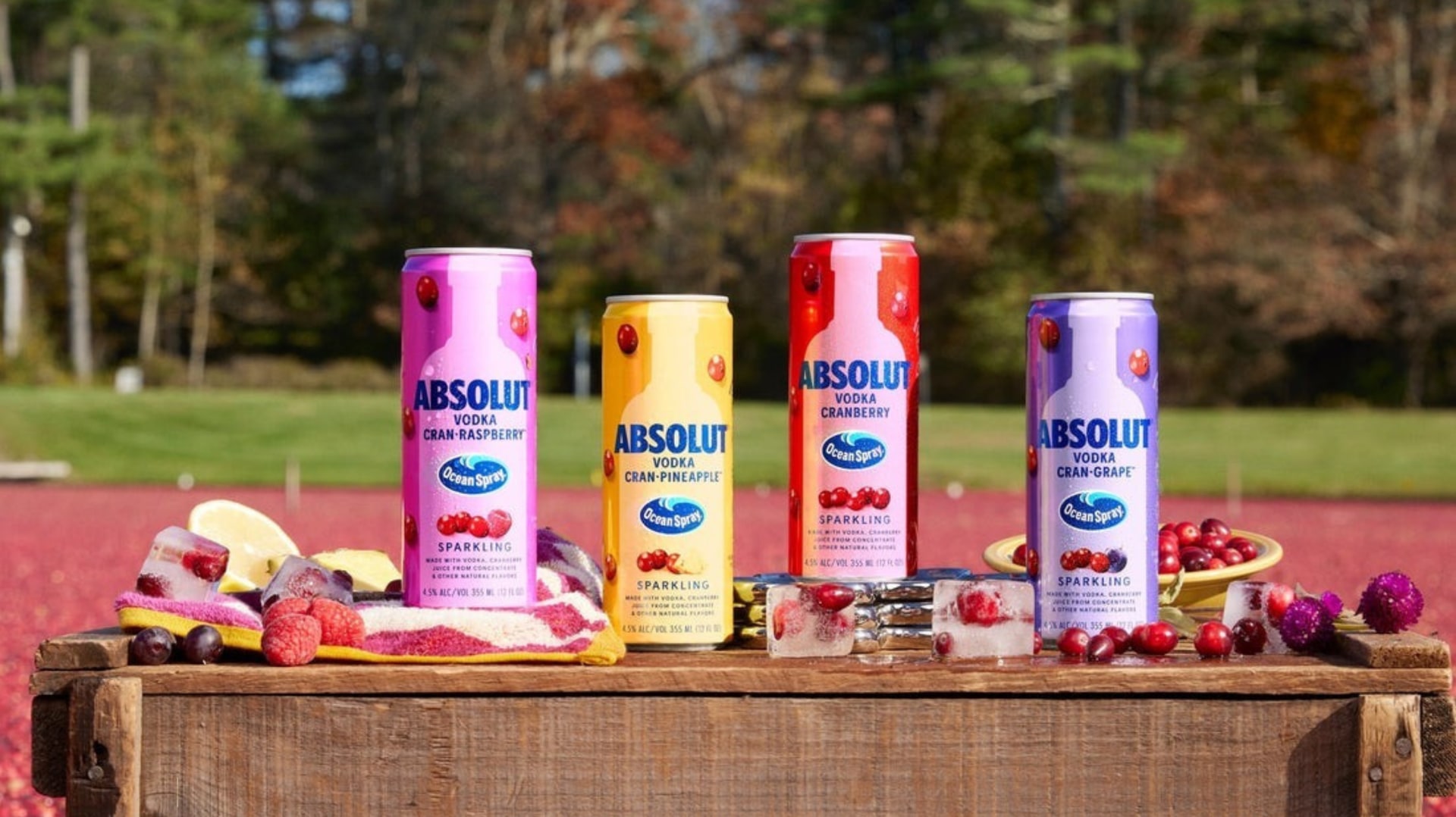
Collaborations are important because they enhance a consumer proposition. Pairing a global brand like Sprite with Absolut strengthens the offer. Vodka accounts for 35% of the RTD market, making it highly competitive, so the more appealing the proposition, the greater the chance of success. Many consumers mix vodka with lemonade or Sprite at home. This also explains why Absolut partnered with Ocean Spray, as people mix vodka with cranberry juice. Similarly, Malibu is launching RTD cocktails with Dole, whose pineapple juice is a staple in American homes, in the first quarter of 2026 – and we are very excited about it.
New products and innovation will continue to play a key role in driving growth and premiumisation of RTDs.
What does the future hold for RTDs?
The RTD category will continue to grow rapidly. Geographically, North America does not look to be slowing down despite being the #1 market in the world, and several other markets in Europe and Latin America will accelerate growth. New products and innovation will continue to play a key role in driving growth and premiumisation of RTDs. As RTDs gain scale, more innovative packaging formats will drive differentiation and help meet new price points. Be sure to keep an eye out for new drinks from our other brands coming to markets soon!