Monkeys, meticulousness and mischief: the unconventional rise of Monkey 47
Since its launch 16 years ago, MONKEY 47’s craftsmanship and eccentric personality have captured bartenders’ and gin lovers’ attention worldwide.
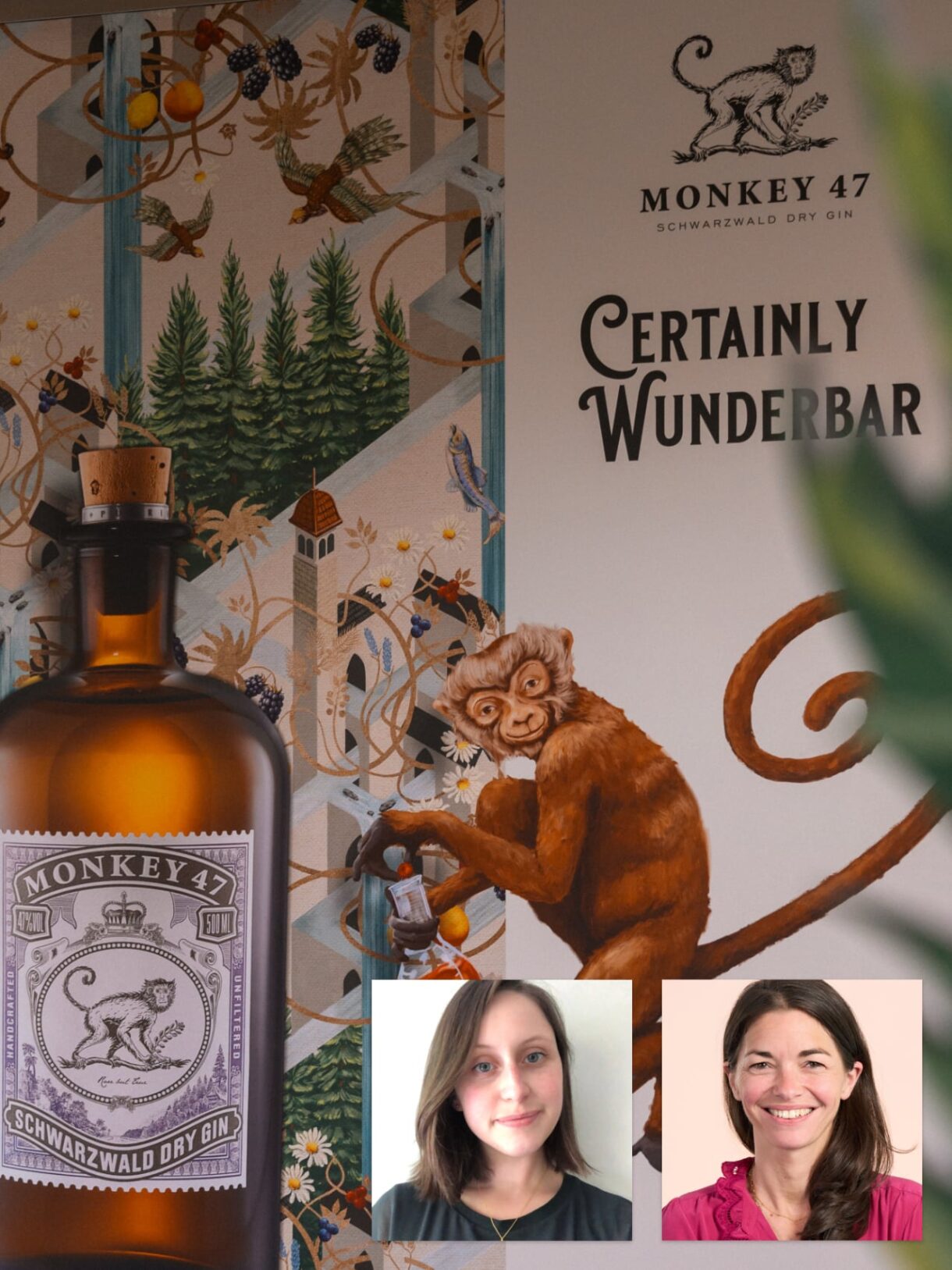
Always looking to surprise, it relentlessly creates and explores non-conformist ways to bring the brand to life. In its latest figures, Pernod Ricard highlighted MONKEY 47’s resilience, and we recently caught up with Lea Zobernig, Global Marketing Manager, and Lea Seitz, Senior Global Brand Manager, to discuss the ultra-premium gin’s success, its eccentricity and its annual Distillers Cut, launched in October.
How has MONKEY 47 evolved in size and global reach over the past decade?
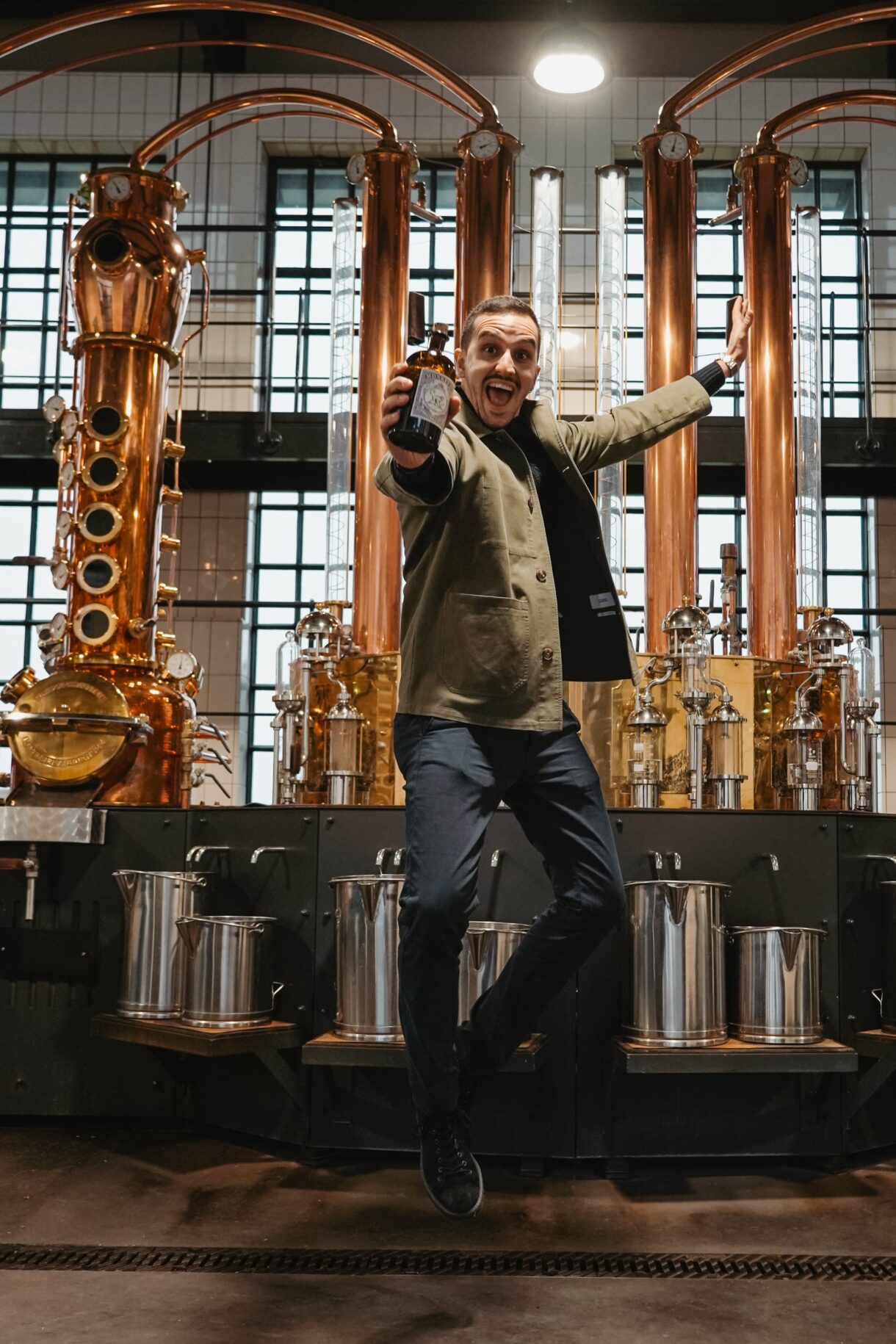
Lea Zobernig (LZ): Only the other day, Lea and I noticed we were talking to the Chinese markets in the morning, on a call with the US in the afternoon, and in between jumping on calls with our colleagues in France and Germany. On days like that, you realise what a compelling success story MONKEY 47 is. It all started around 16 years ago in the Black Forest as a German craft gin brand, but today it’s available in more than 60 markets, from Europe to Asia to the US, with a strong base in Europe. It’s one of my favourite fun facts – the liquid and the recipe took the founder, Alexander Stein, over two years to develop. So, it really started in 2008, not 2010 and we have stuck to the values that made MONKEY 47 what it is – craftsmanship and quality.
What do you think is behind MONKEY 47’s success?
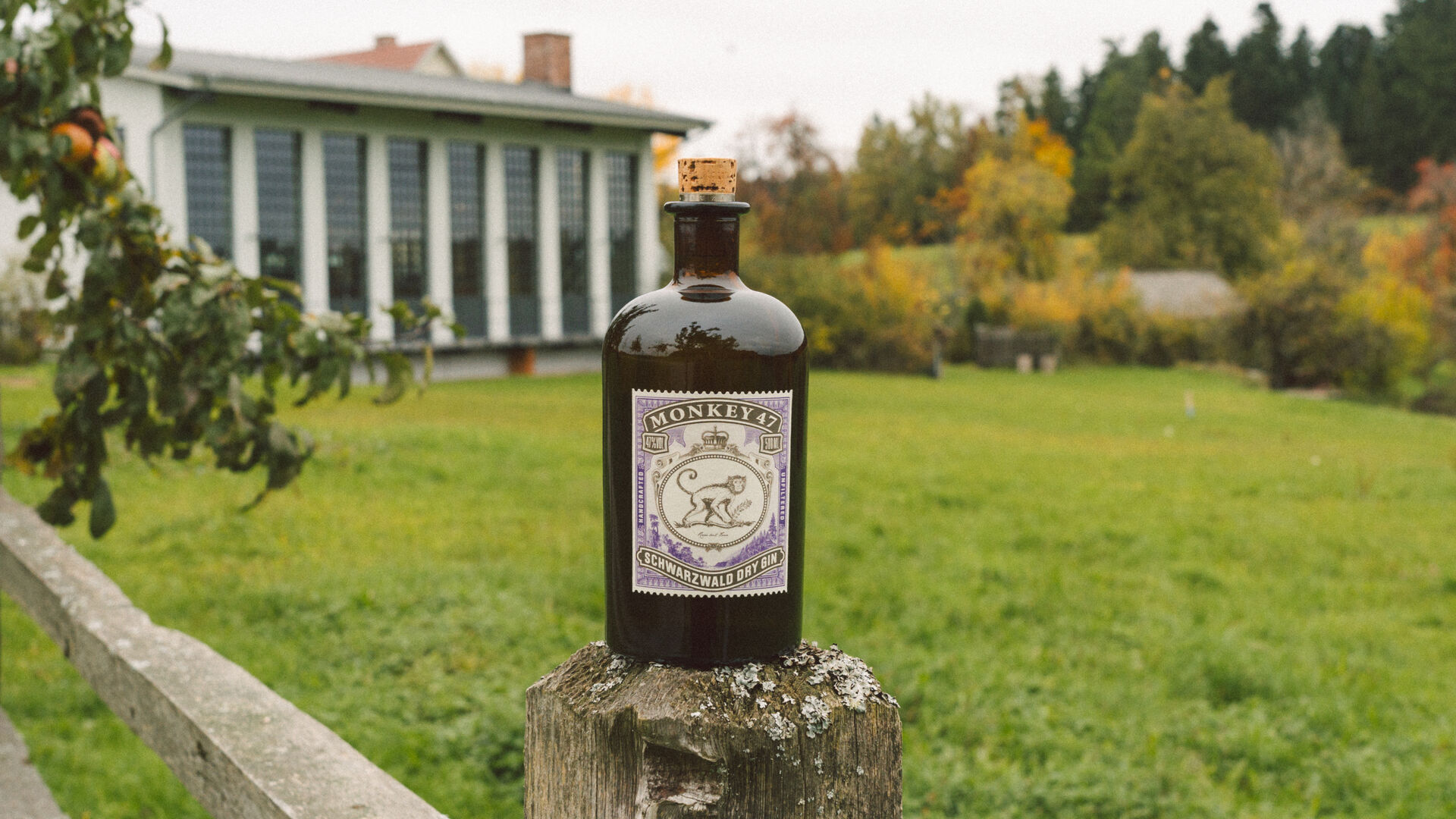
LZ: It’s several things. To start with, the bartending community’s belief in the brand is a major factor in its success. Its distinctive brown apothecary bottle and intricate label design are definitely part of it too. But most importantly, it’s our meticulous attention to detail and obsessive pursuit of quality. I was chatting with a taxi driver recently and was asked about the brand name and why it’s called MONKEY 47. So, I told him about the 47 botanicals and the 47% ABV, but why we call it a “Schwarzwald” Dry Gin after the Black Forest. The stories behind the brand stick with people and make it enjoyable. But of course, beyond that, MONKEY 47 makes an exceptional gin and tonic!
Where does the brand’s distinctive tone come from?
LZ: Alexander Stein, the spirits entrepreneur who founded the brand, has been a major influence on setting the tone. He drew inspiration for MONKEY 47 with a playful tribute to the post-war era, eccentricity and craftsmanship – the legend of British RAF officer Monty Collins, a monkey called Max and a recipe for an equally curious gin made in the Black Forest. But something has always felt distinctly quirky about the Black Forest and it has played its part. In Germany, we have a phrase, Erfindergeist (inventive spirit), that you can tie to the region. I mean, the perm hairstyle was invented in the Black Forest – who would have thought that? We never want to take ourselves too seriously and are bound by eccentricity, curiosity and an unconventional spirit.
What underpins MONKEY 47’s popularity?
LZ: It’s no secret that the spirits industry faces challenges, but the ultra-premium gin segment is well positioned to win, and MONKEY 47 is part of that. People may be drinking less and watching their wallets, but they’re also drinking better and choosing when to do so. So, a brand like MONKEY 47 is well positioned to capitalise. Consumers increasingly want authenticity, craftsmanship and a really solid, high-quality liquid that stands out.
Tell usabout the annual Distiller’s Cut?
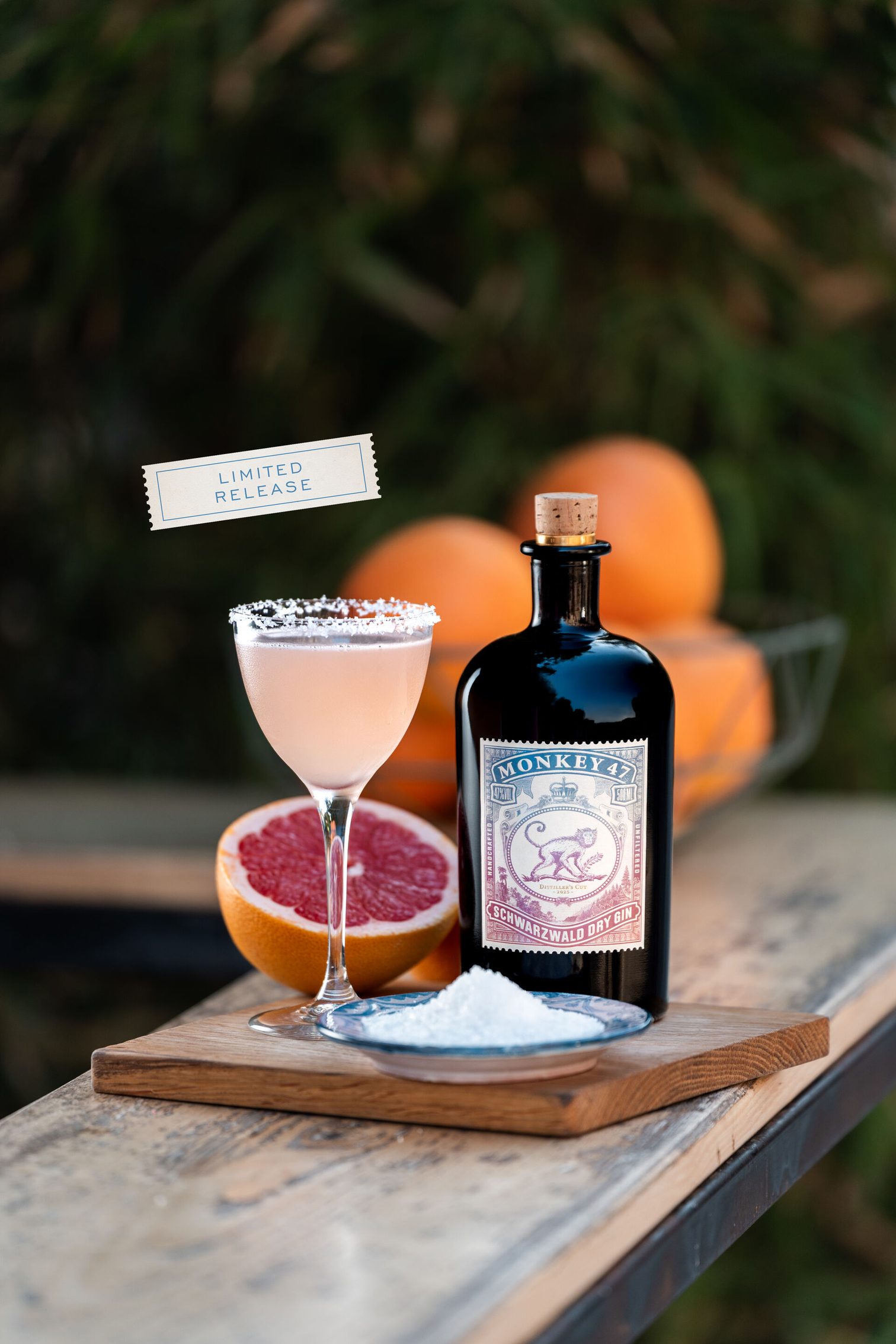
Lea Seitz (LS): No one else in the gin market has 47 botanicals, so we asked, why not add a 48th and still make it work? Once a year, MONKEY 47 goes on a hunt for a species rara – one extra-special botanical to turn our signature Schwarzwald Dry Gin into a Distiller’s Cut. It is a very limited release – and we hold a free raffle every year, that gives fans a chance to buy a bottle. Our inbox is often full of messages from our growing super-fan base expressing their disappointment that they didn’t win the raffle!
How do you come up with new recipes for the Distillers Cut?
LS: We look for inspirational stories and follow our curiosity about botanicals, rather than relying on industry reports on consumer trends. We want to push boundaries and our founder, Alexander Stein, remains closely involved with the Distiller’s Cut. He drives the inspiration and finds unusual or unexpected ingredients and botanicals. In recent years, some have seemed very ordinary, but when we unravel the craftsmanship behind them, it surprises people. Uncovering real stories, real people and real ingredients is at the heart of the Distiller’s Cut tradition, but at the end of the day, the gin still has to work.
What was the 48th botanical or ingredient for the 2026 Distiller’s Cut?
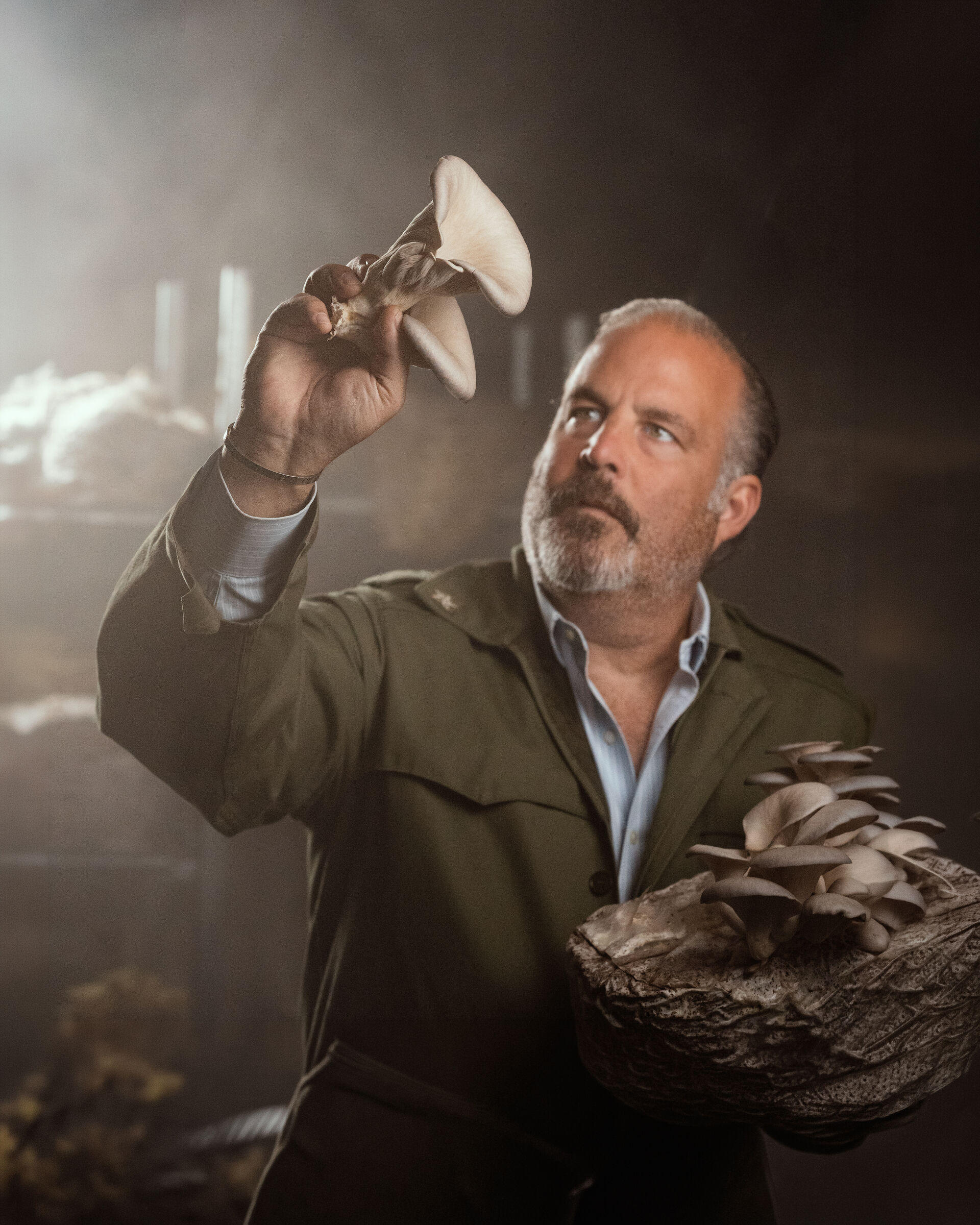
LS: Oyster mushrooms! During Alexander’s hunt for this year’s ‘species rara ’, he was captivated by the passion and craftsmanship he came across at Burgpilz, an organic mushroom farm in Ulm, Baden-Württemberg, in southern Germany. Run by entrepreneurs Jochen RankandSven Gastrock, the farm cultivates oyster mushrooms (Pleurotus ostreatus in Latin) deep in the cellar vaults of the centuries-old Wilhelmsburg fortress. Adding this 48th ingredient creates a spicy yet elegant gin with a delicate hint of anise, rounded off by subtle nutty notes. It’s not only for dedicated mushroom lovers – it also offers something curious and exciting for bartenders and gin enthusiasts alike.
How has this year’s Distiller’s Cut been received?
LS: We traditionally unveil our limited release Distiller’s Cut with a booth at Bar Convent Berlin, but this year we wanted to do something a little eccentric, so we held a two-night pop-up event nearby, away from the venue. The pop-up was a MONKEY 47 home-away-from-home experience, with a hidden mushroom lab behind a sliding door. We wanted to surprise people by saying, “Hey, we brought real oyster mushrooms from southern Germany to Berlin. Do you want to have a look?” It was a bit bonkers, but it paid off – everyone immersed themselves in the mushroom lab and asked so many questions about how they are cultivated, they didn’t want to leave!
What is your favourite Distiller’s Cut?
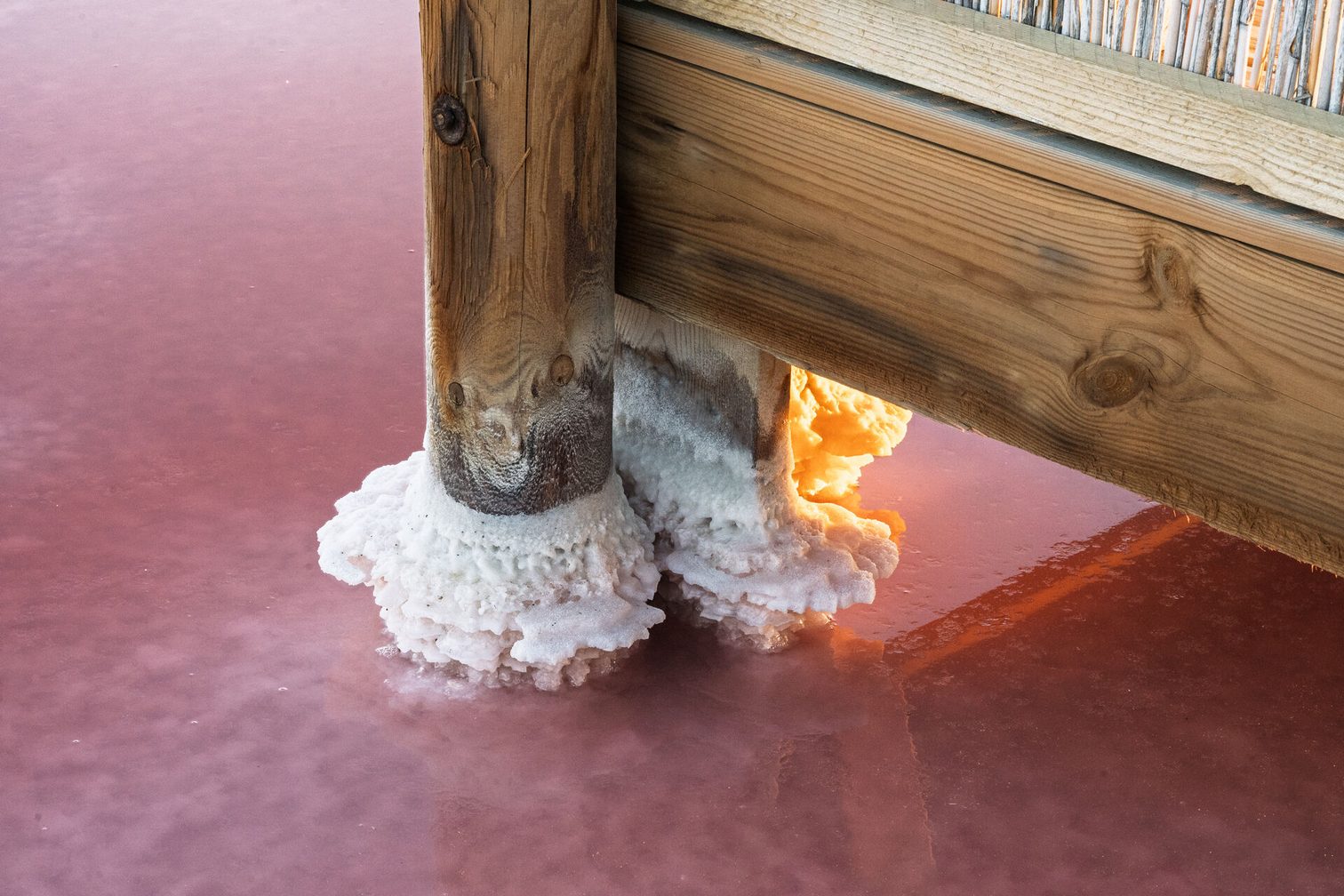
LZ: Ooh, that’s like asking a parent which child is their favourite! That’s impossible to answer. That said, the 2025 one was a particular highlight – the Fleur de Sel sea salt crystals from Camargue in southern France. I’m half French, so it was lovely to shoot in southern France, get to know this ingredient in a whole different way, and see how it’s actually harvested. It was also fascinating to see the incredible craftsmanship behind what might seem like such an ordinary ingredient.
What marketing plans does MONKEY 47 have in the coming months?
LZ: In July, we premiered MONKEY 47 at Tales of the Cocktails, the largest gathering of bartenders in New Orleans, in partnership with the influential Spanish cocktail bar Salmon Guru, and we received great feedback. We just attended the Athens Bar Show, where we worked with a really cool cocktail bar called 360. And of the future? All I can say is to expect the unexpected with MONKEY 47, but advocacy and on-trade will remain at the heart of what we do.
We have to ask – why should you drink MONKEY 47 from an earthenware cup, otherwise known as “The Becher”?
LZ: I love this question! What we consider unique about our production process is that once the gin is distilled, we transfer it to earthenware vessels, where it rests for approximately 100 days before bottling. Because the earthenware is permeable and lets oxygen pass through, the gin becomes much smoother. People don’t always believe us when we say so, but it makes a real difference to the taste. As a brand that likes to do things differently, we designed a beautifully handcrafted earthenware grey-coloured ‘Becher’, which helps keep your drink cooler for longer. There’s no big logo, just our iconic monkey engraved on the inside of the mug and a subtle 47 on the bottom. It’s a wink to MONKEY 47 aficionados – if you know your gin, you know!