Building a safety-first culture when risks are invisible
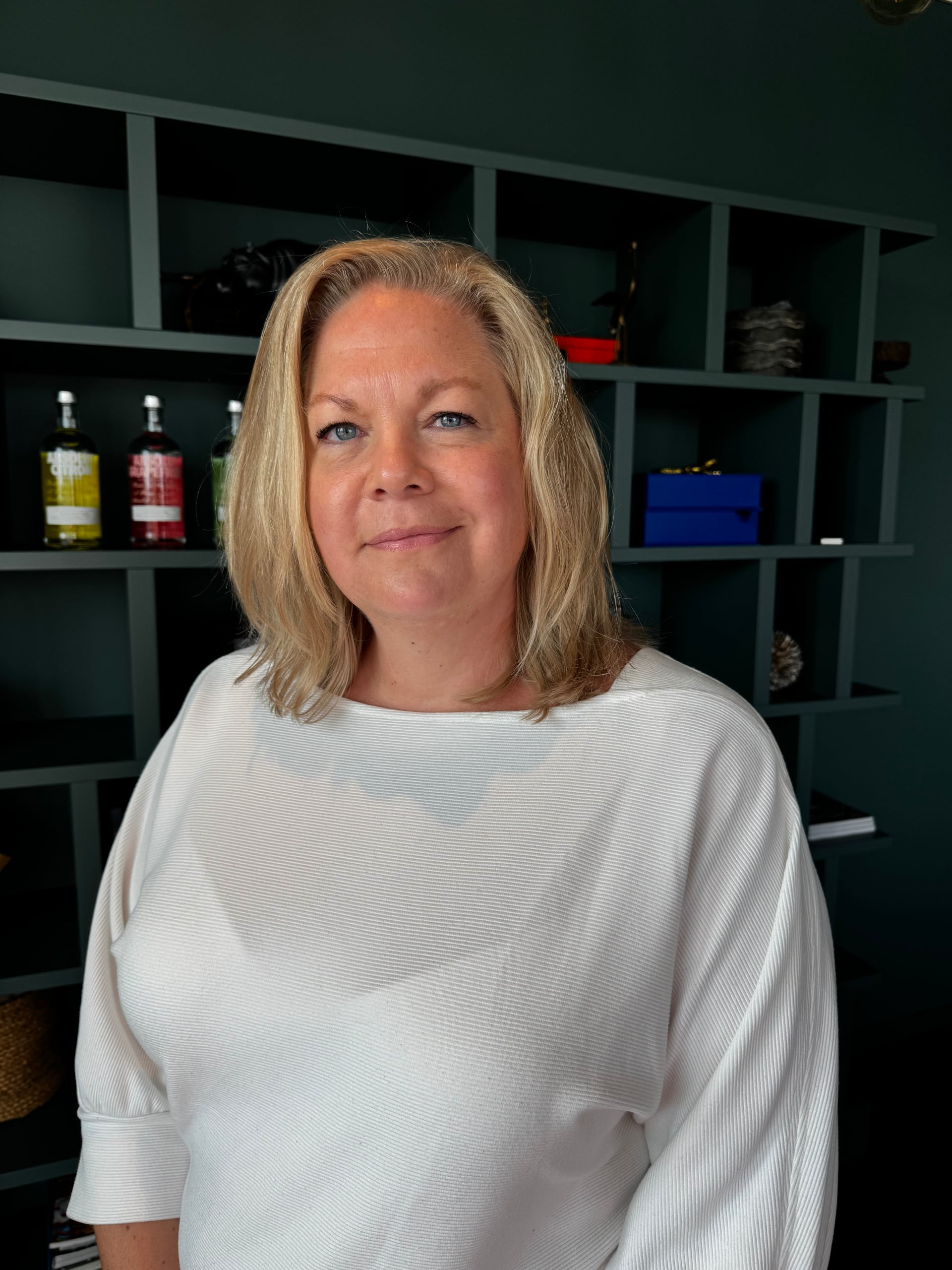
Office health and safety is often underestimated – and that needs to change. Emma Staffansson, Facility, Security and H&S Manager at The Absolut Company shares how they are building a safety-first culture when risks are invisible.
The risks you can’t always see
When most people think about workplace health and safety, they picture hard hats, heavy machinery, and high-risk environments.
But what about the office?
“It’s much harder to make health and safety tangible when risks aren’t immediately visible. Once the loose cables have been removed from the floor, it’s easy to close the door and forget about it. But what about softer issues like psychological safety? What about the difficult questions – stress, workload, creating a culture where it’s okay to speak up or say no?”
Pernod Ricard’s training not only focuses on safety rules and procedures but also aims to foster a safety-first culture among its people. This is especially true at the Stockholm office, where it is working hard to change people’s mindsets so they “pause and act” without consciously thinking about it.
Starting with the foundations: physical safety
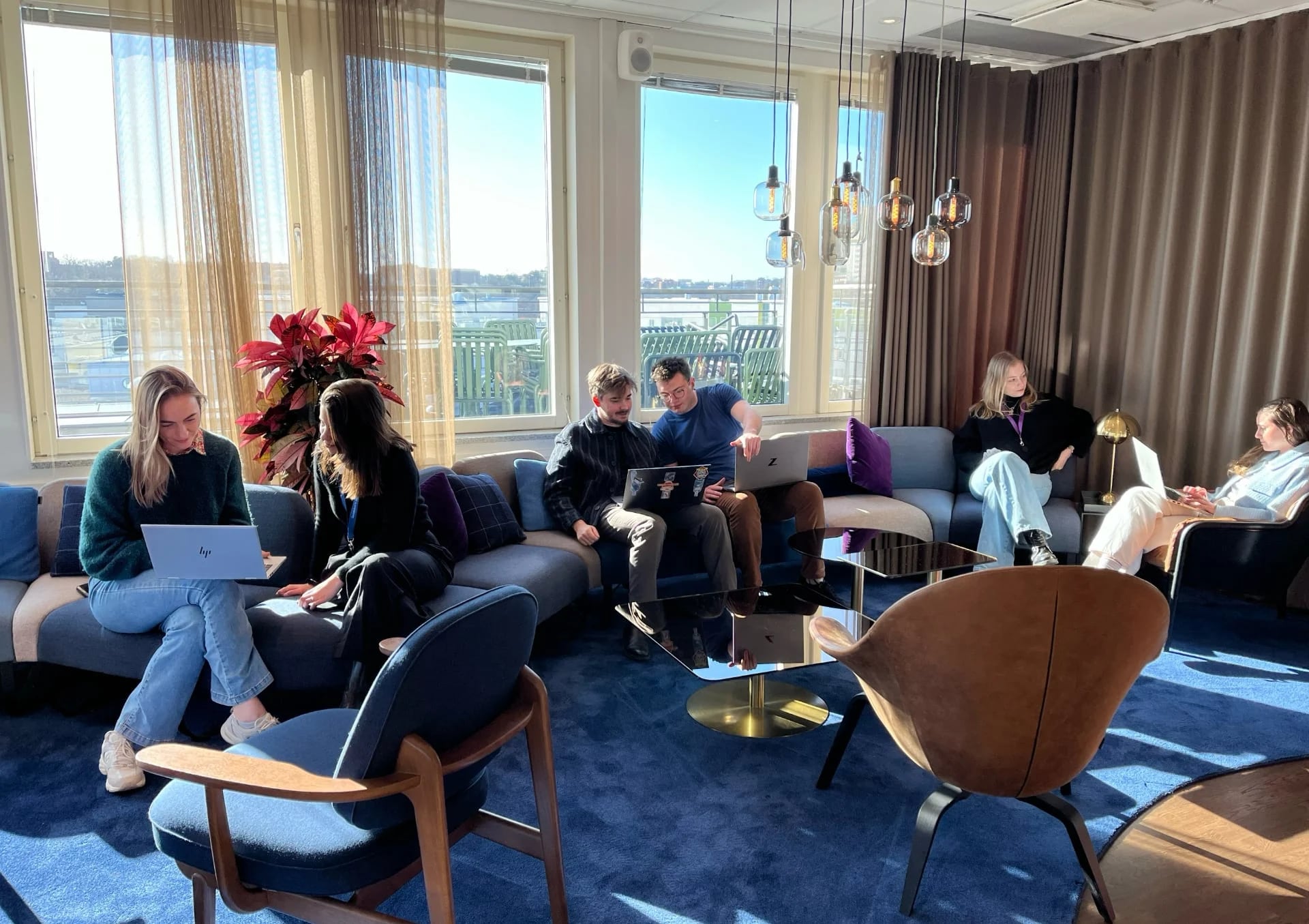
The starting point was to focus on the physical aspects so that everyone feels safe in the event of an emergency, crisis, fire, or accident.
In 2024, the company undertook a health and safety audit and implemented a Life Impacting or Fatal Event (LIFE ) assessment. Subsequently, the team ensured that all fire equipment was up to standard and enough defibrillators were in place, for instance. Practical – even if seemingly small – measures were also introduced, including providing extra safety ladders to reduce the risk of people using chairs to reach high places.
A follow-up audit last year showed that we’re making real progress and continue to move in the right direction.
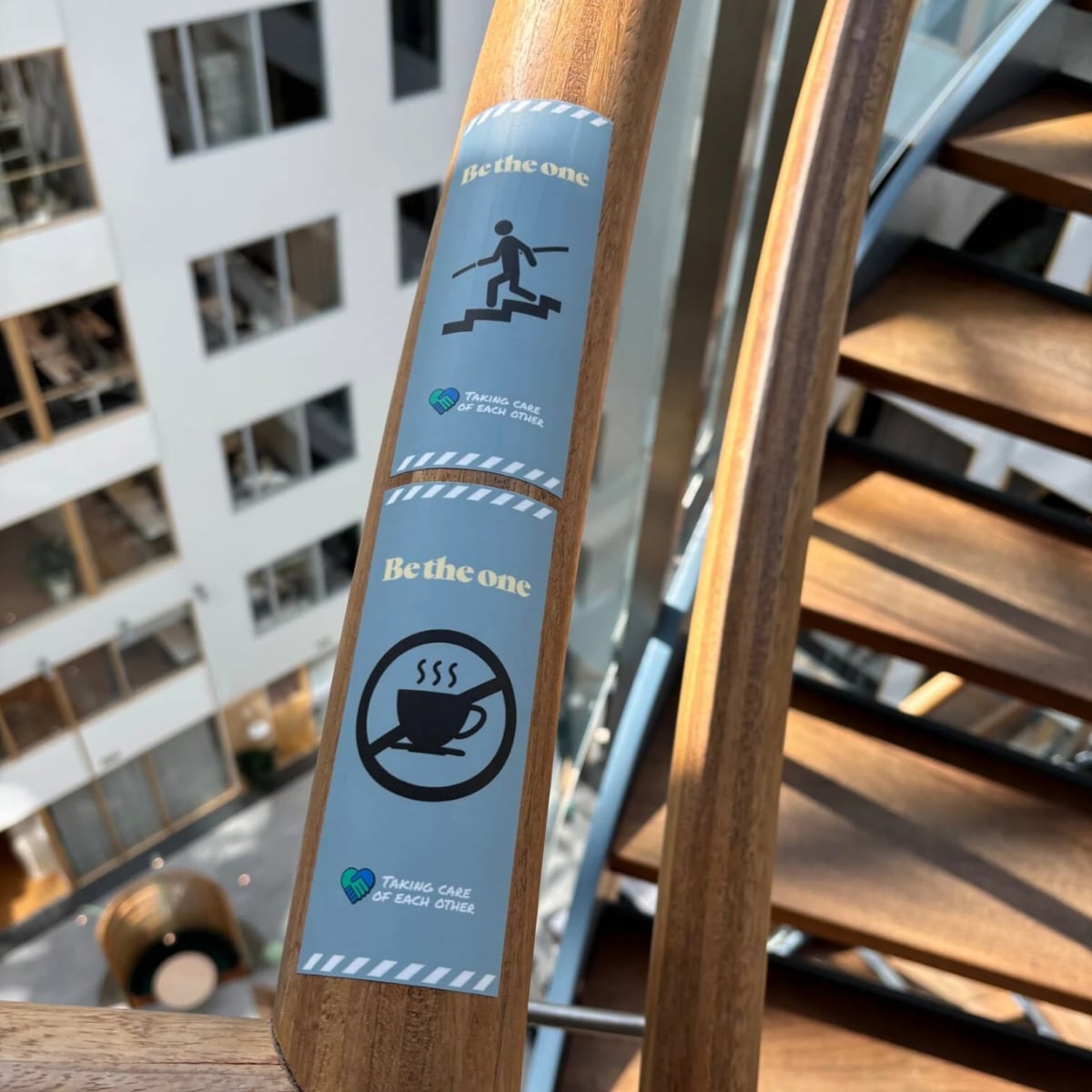
Alongside the audit work, breakfast seminars were introduced to update employees and encourage them to suggest ideas to make the office a safer place. “We want to make it easy for people to come and talk to us; we want to hear their concerns without the drama. It has led to simple changes, like ensuring the same flavoured tea is available on all floors to avoid people carrying piping-hot drinks up and down the stairs.”
Care by Learning: a training programme built around people
At the heart of the health and safety strategy is Care by Learning, a comprehensive training programme for all employees that follows three golden rules:
- Look out for one another
- Stay focused on the task at hand
- Take personal responsibility
It encompasses five modules – including hazard recognition, near-miss reporting, and risk assessment – with 100% of employees in the Stockholm office having now completed the full programme.
“The next phase will include ‘care visits’ to our office to discuss psychological issues,” says Emma. “This will be more challenging as it’s easier to spot a loose cable on the floor than to measure stress and workloads.”
Changing behaviour, not just awareness
Training programmes and audit scores matter, but the real measure of progress is behavioural. It’s the small, everyday moments that signal whether a safety-first culture is genuinely taking root.
One of the most tangible shifts has been the introduction of safety moments: short, focused conversations woven into the start of meetings. It can cover anything from evacuation routes to broader wellbeing topics. “It has really kicked off,” says Emma. “People are now asking for suggestions and materials on health and safety topics to include in their meetings.”
We nudge health and safety at every opportunity – little by little – so that it becomes a natural part of the conversation. It might seem small but soon it starts driving cultural change.
The shift is also visible in how people behave. “Colleagues now come up and say, oh, I saw this, this is broken,” says Emma. “It’s no longer a fear of do I have to write a report? They know they can come to me, to reception or just mention it, and they feel quite secure that we’ll look into it. It’s all these small behaviours, happening across the organisation. That’s the win – changing a little bit, but in everyone.”
Why leadership matters
None of this happens without visible commitment from the top. Health and safety are clear priorities at the highest levels of Pernod Ricard, and having senior leaders treat it as something they actively model – not just endorse in policy documents – has been fundamental to the programme’s success.
“If you don’t see leaders talk about it and act on it, then it won’t happen,” she says. “It doesn’t necessarily have to start from the top, but they have to be included,” she says.
Leadership also plays a key role in creating safe spaces for open discussion. Topics that may seem minor – like office seating – are rarely raised with senior leaders. But when they start the conversation, or take part in an office survey, those small questions can quickly unlock broader discussions around behaviour, trust, and psychological safety.
“Much of my role is to facilitate these discussions and make it easier for senior leadership to join the conversation,” Emma says. “That’s when things start to shift. That’s when people really dare to speak up.”
Health and safety is often closer than most organisations think
Perhaps the most important insight Emma offers is that most organisations are already practising health and safety – they just don’t recognise it as such.
“We care about each other, we ask how someone’s morning is going. Noticing that a colleague looks overloaded and saying: can I help you? All of these small moments are health and safety in an office environment. If we just start highlighting that – this is what it looks like and we’re already doing this, this, and this – then it doesn’t feel like we’re starting from scratch. It feels like adding one small part to something that is already there.”